Post Real
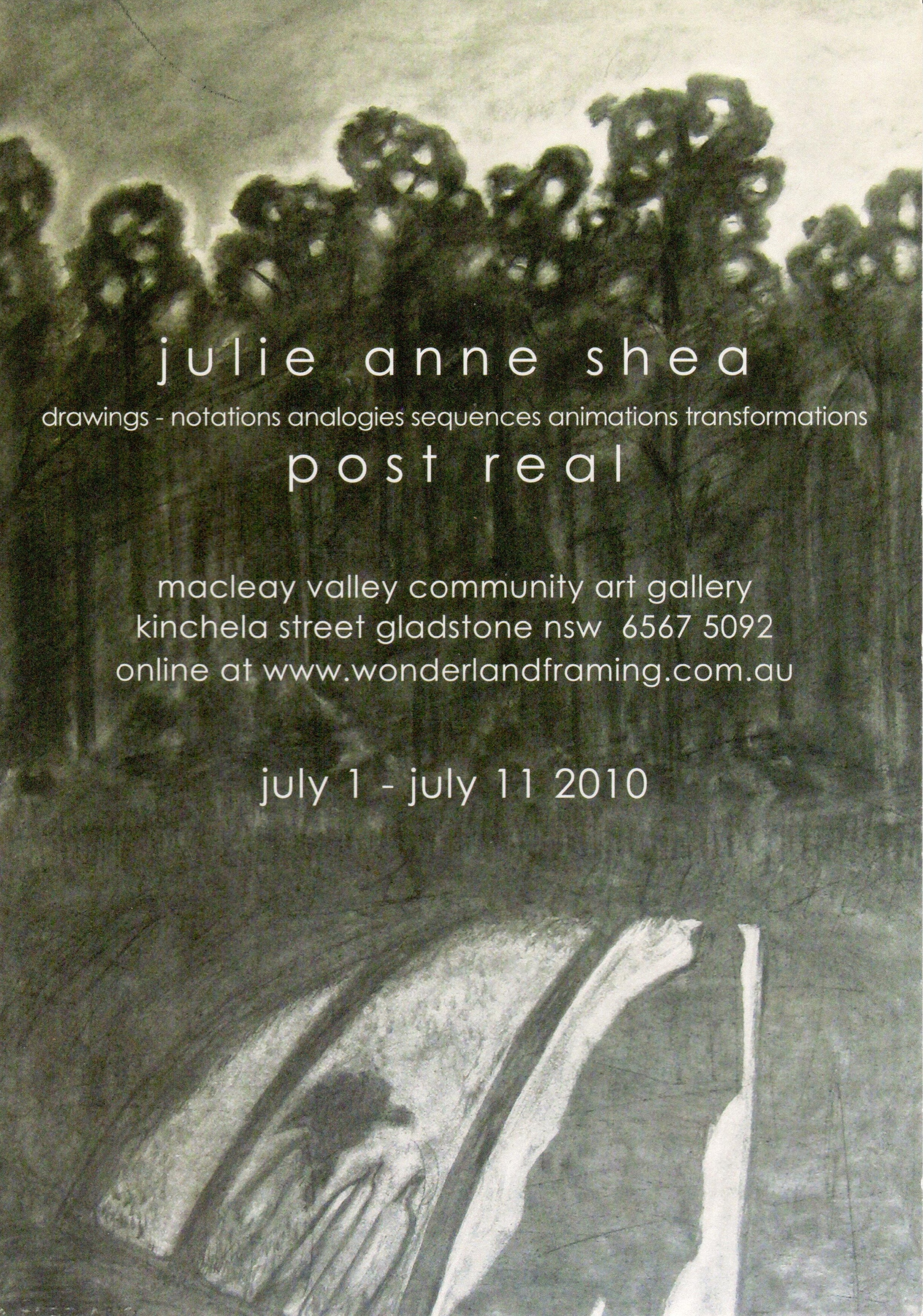
Artist’s Statement – Interview with the Artist – June 1 2010
Why the exhibition is called “Post Real”?
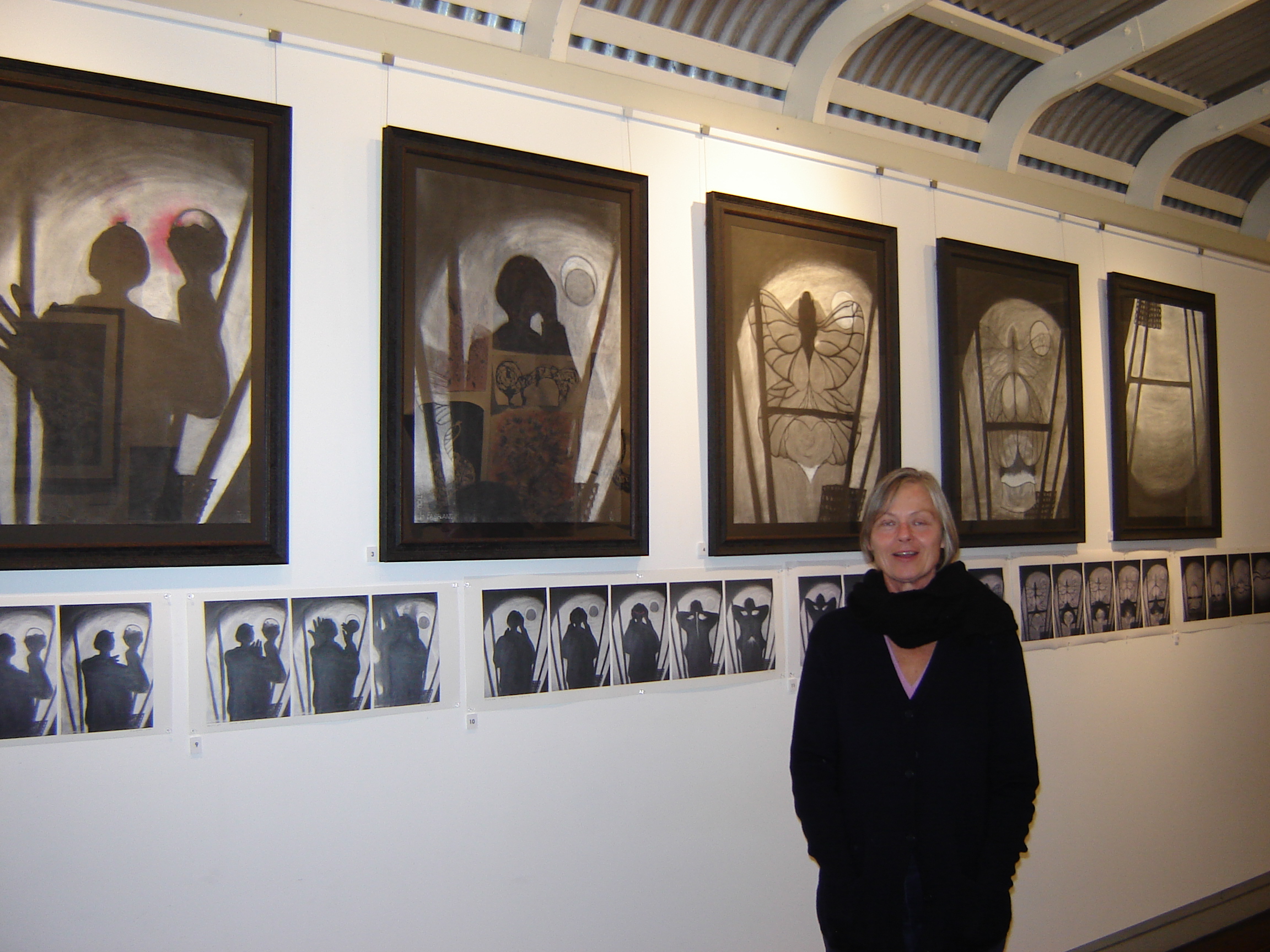
“The show is called post real because some of the artworks are “real” or tangible objects, and some have been made only to “post” onto web sites. The ones that are posted follow on from existing “in reality”, and are therefore “post real”. Some are both. This is a completely new way of working for me.
Up until I started an online University course through COFA (University of NSW) called Cross Disciplinary Art and Design at the beginning of 2008, all the drawings I did were made simply to put up on a “real” wall in the “real” world.
With my recent experiences of Web: 2 the definition and understanding of “real” has changed. The artworks are not “born digital” but “made digital” – in much the same way as I have had to adapt to new concepts for a new era. The artworks are a bit of both worlds – the analogue material is converted to digital, but which form has the most value? The animations are free on YouTube; the remnant drawings from the animations which would traditionally be the end product are no longer the focal point; most of the images now only exist as digital images which only become available as “pictures” by making prints. Some of the artworks in the “gallery studio” have three dimensional qualities – how do they translate to digitalization? Does that make them more “real”? Documentation of an installation (in the gallery/studio space) exploring “places” looks at this question of fluctuating/ indefinable/ambiguous space.”
Why did you start making animations?
“I’ve been drawing for many years and it has become the centre of all my artistic practice. I’ve had some success - I’ve won a few prizes and sold some artworks – but I had no clear direction. One of the subjects I’ve done online was Draw Your World, and part of the course was to make a drawing animation. Now I’m hooked! I have found the switch to animation liberating. Rather than putting all my effort and energy into individual drawings, I’ve discovered a freedom in sequential drawing.”
How do you make them?
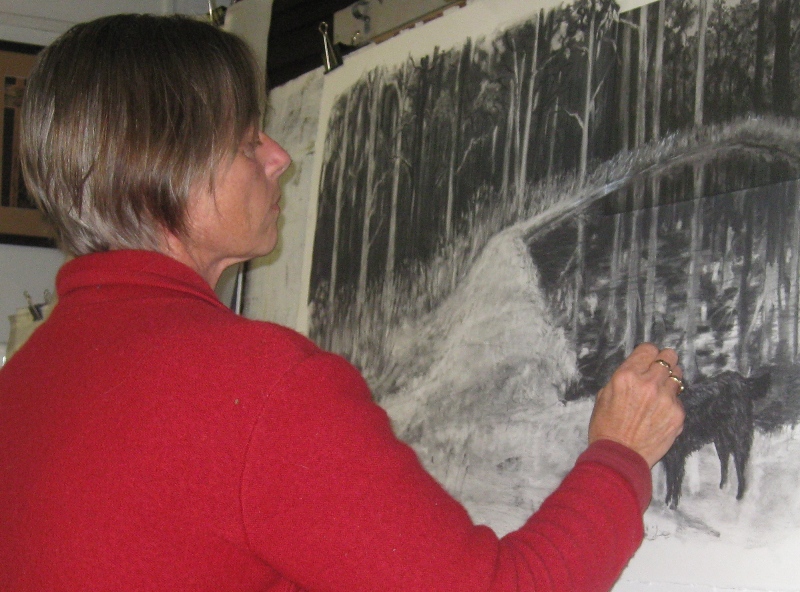
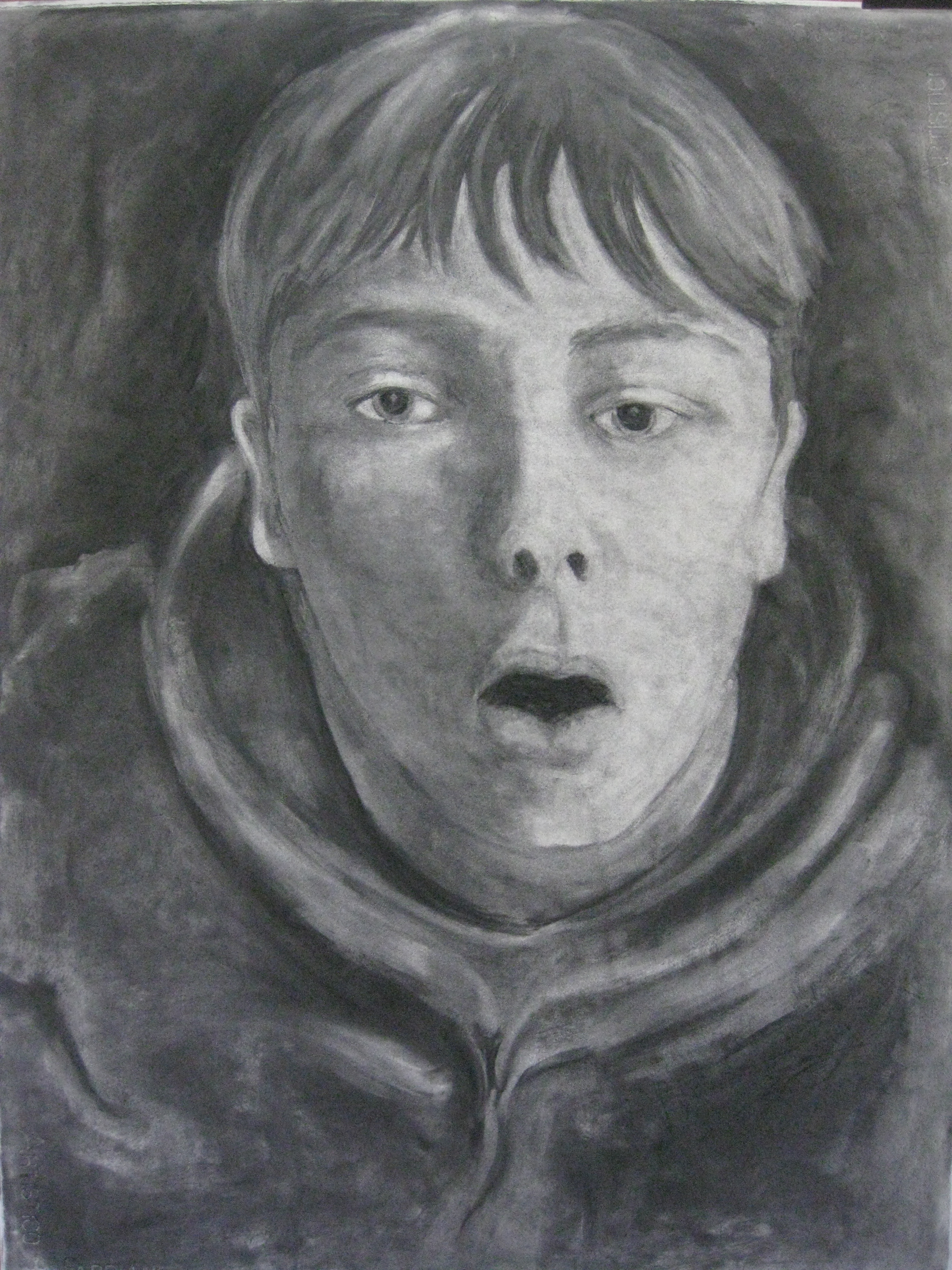
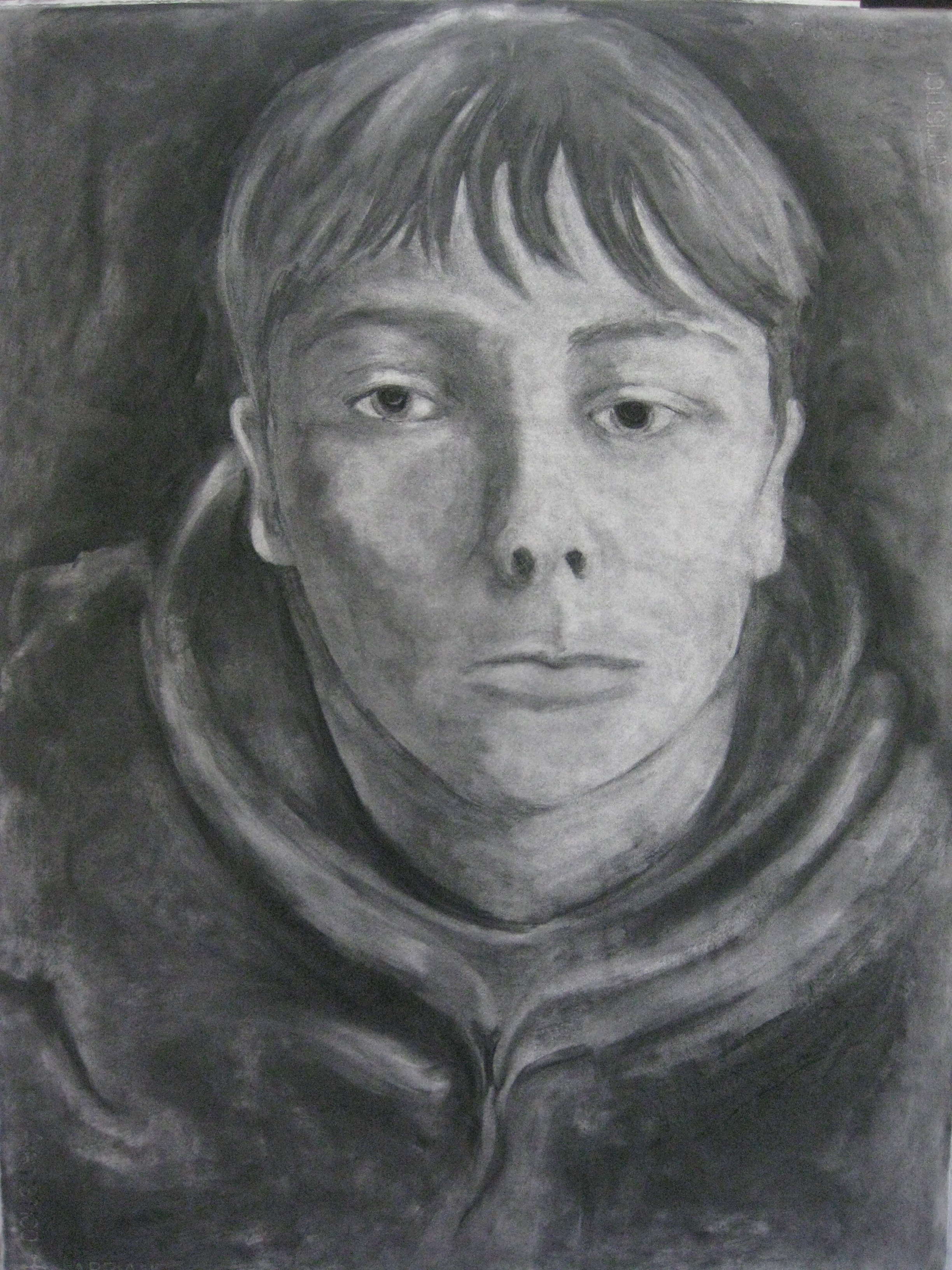
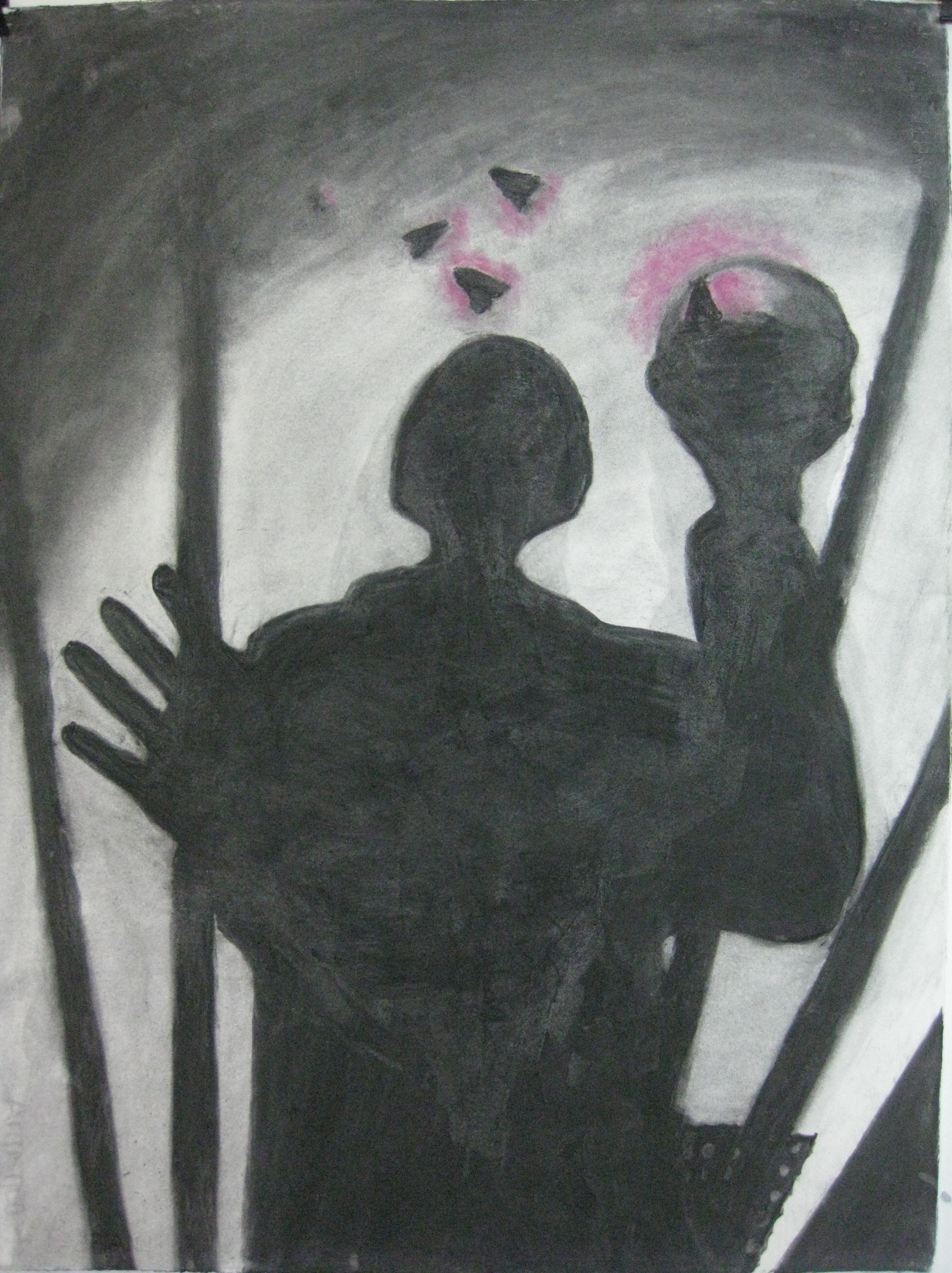
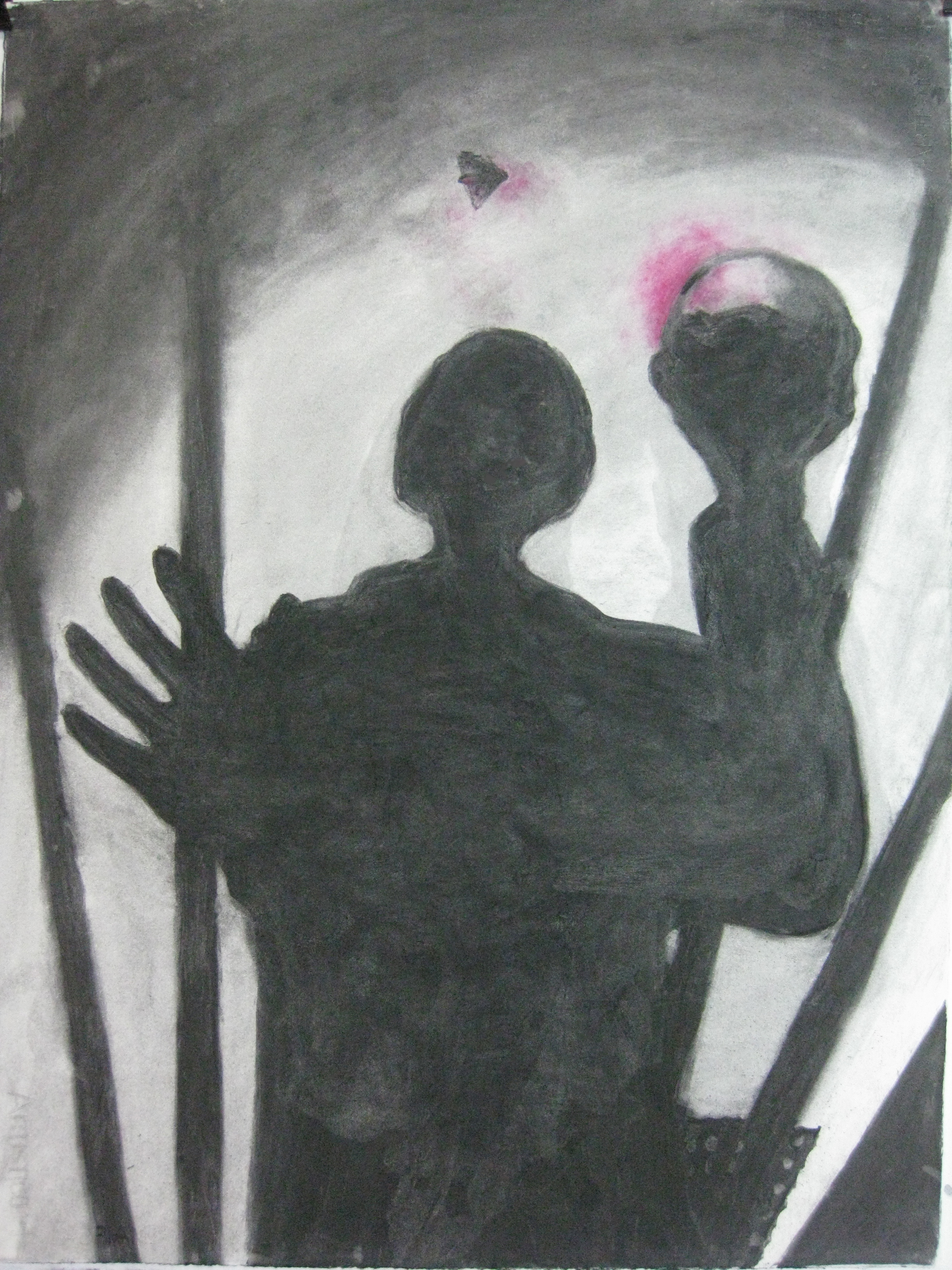
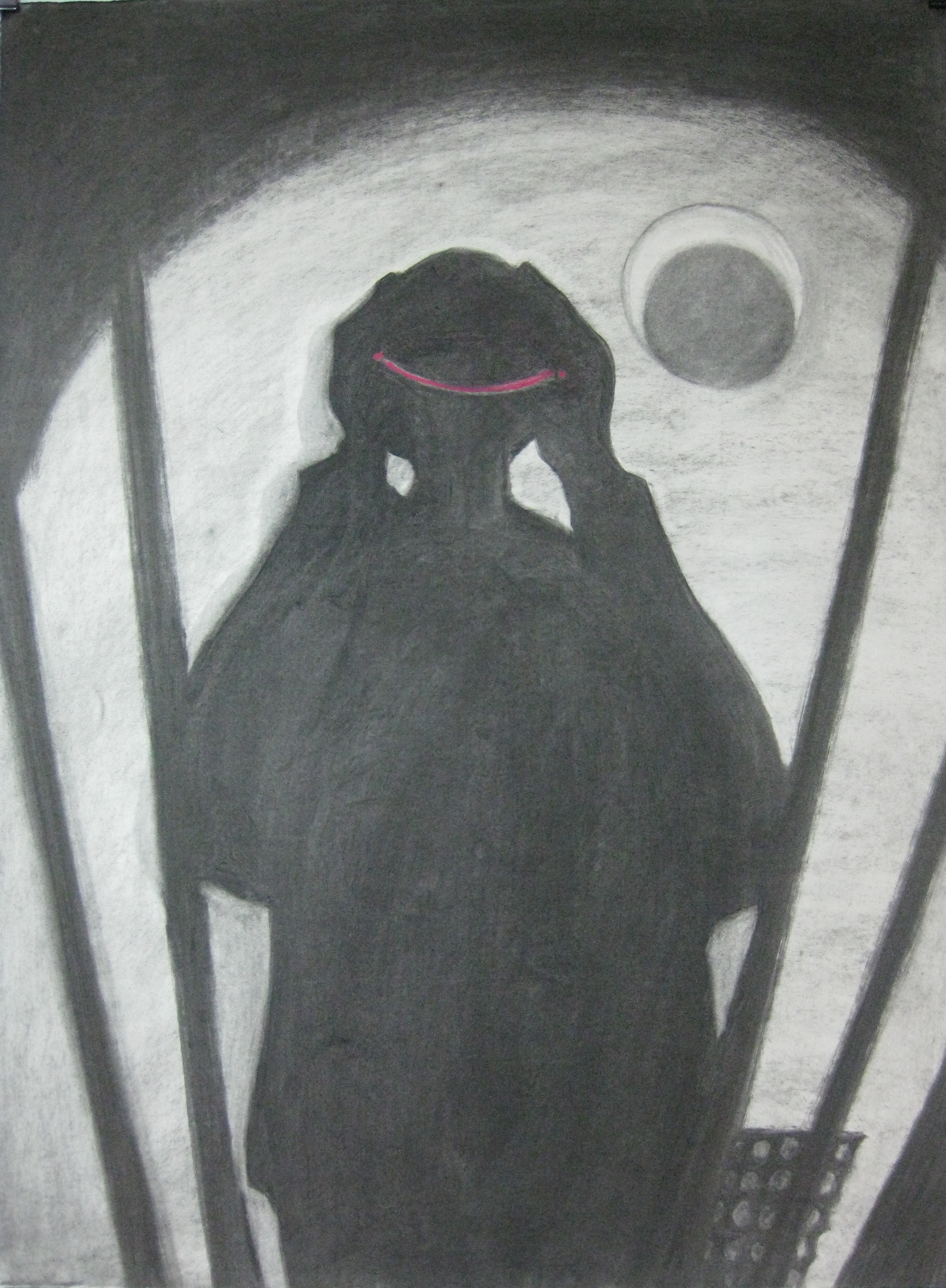
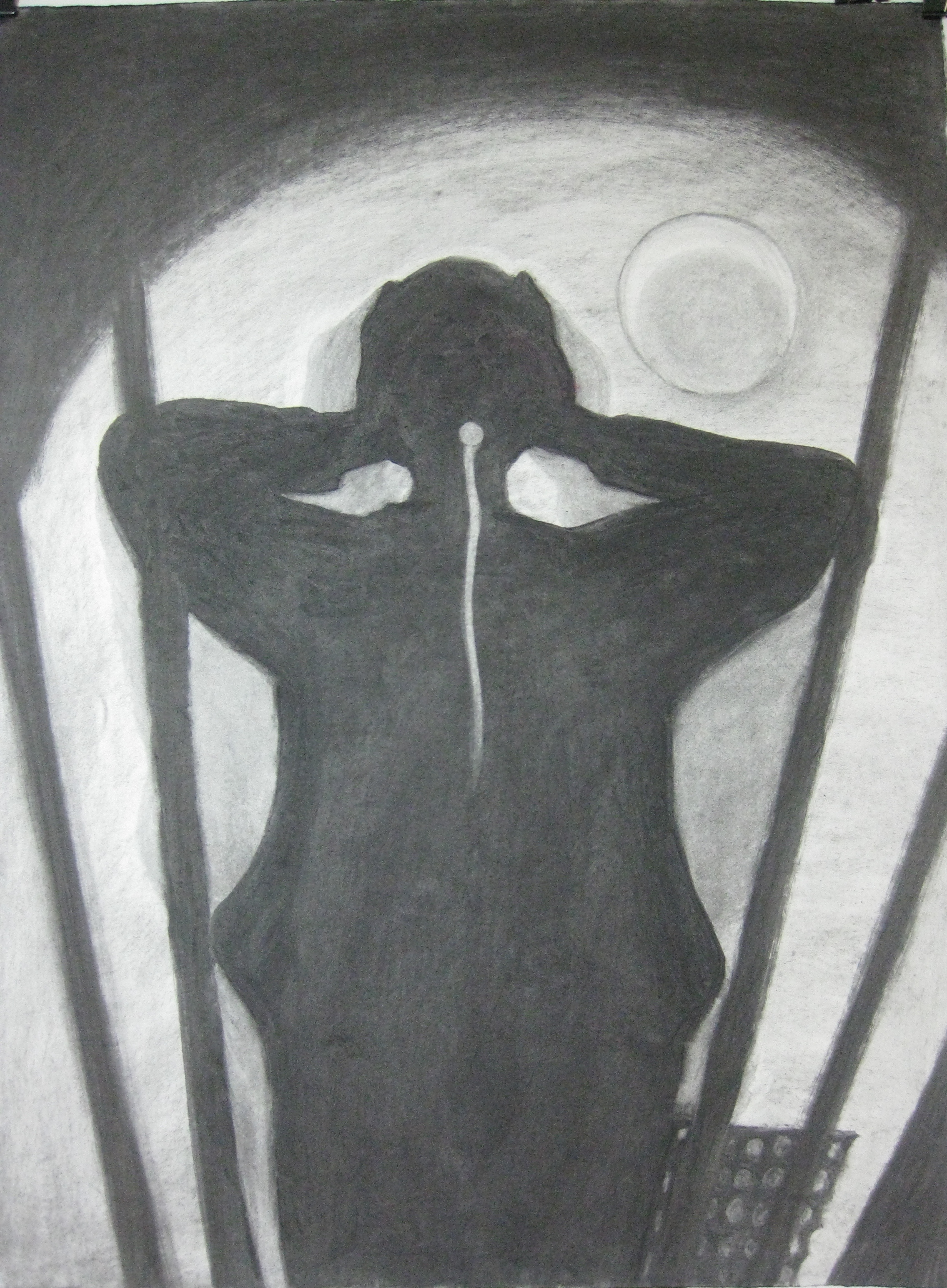
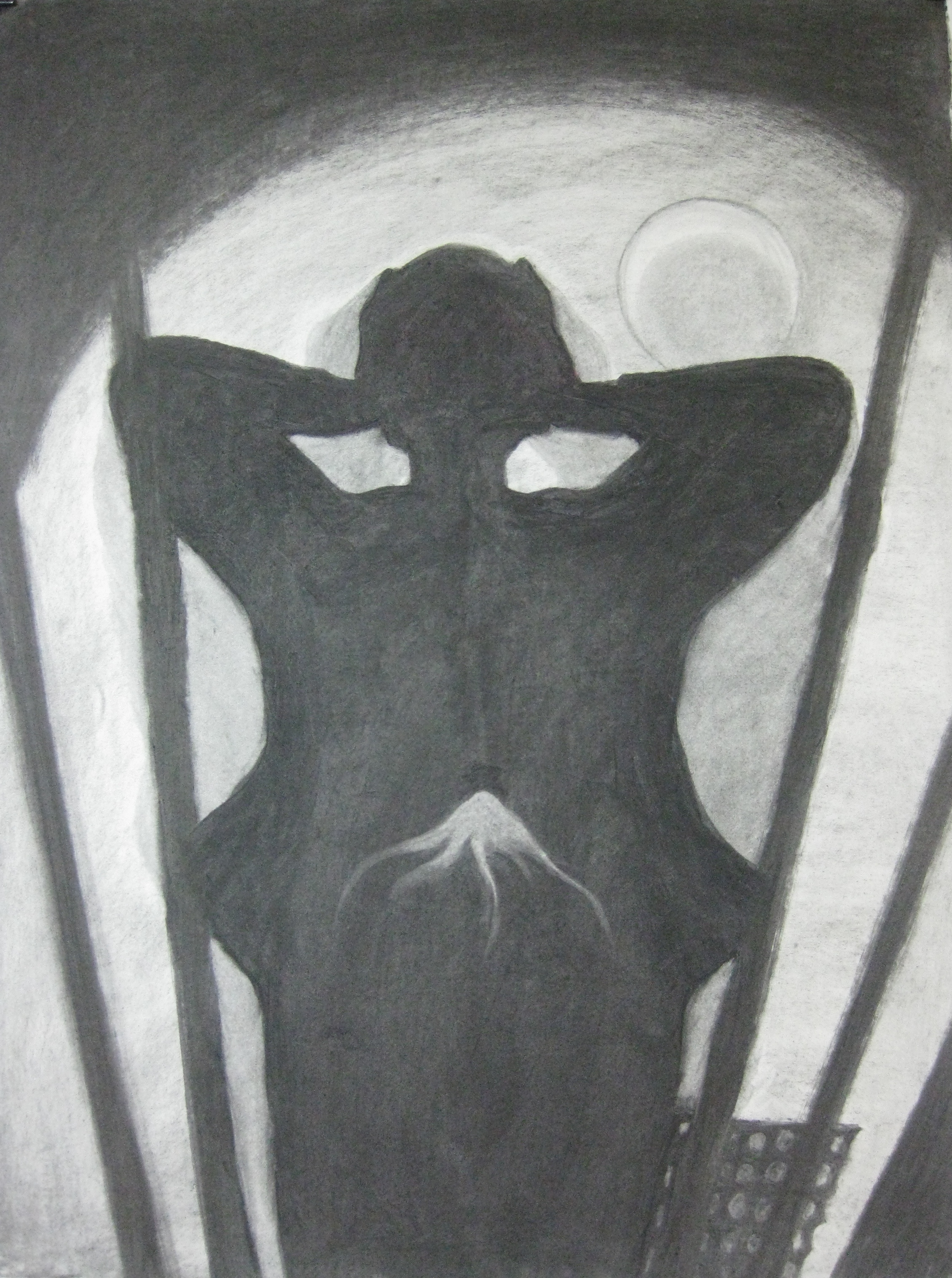
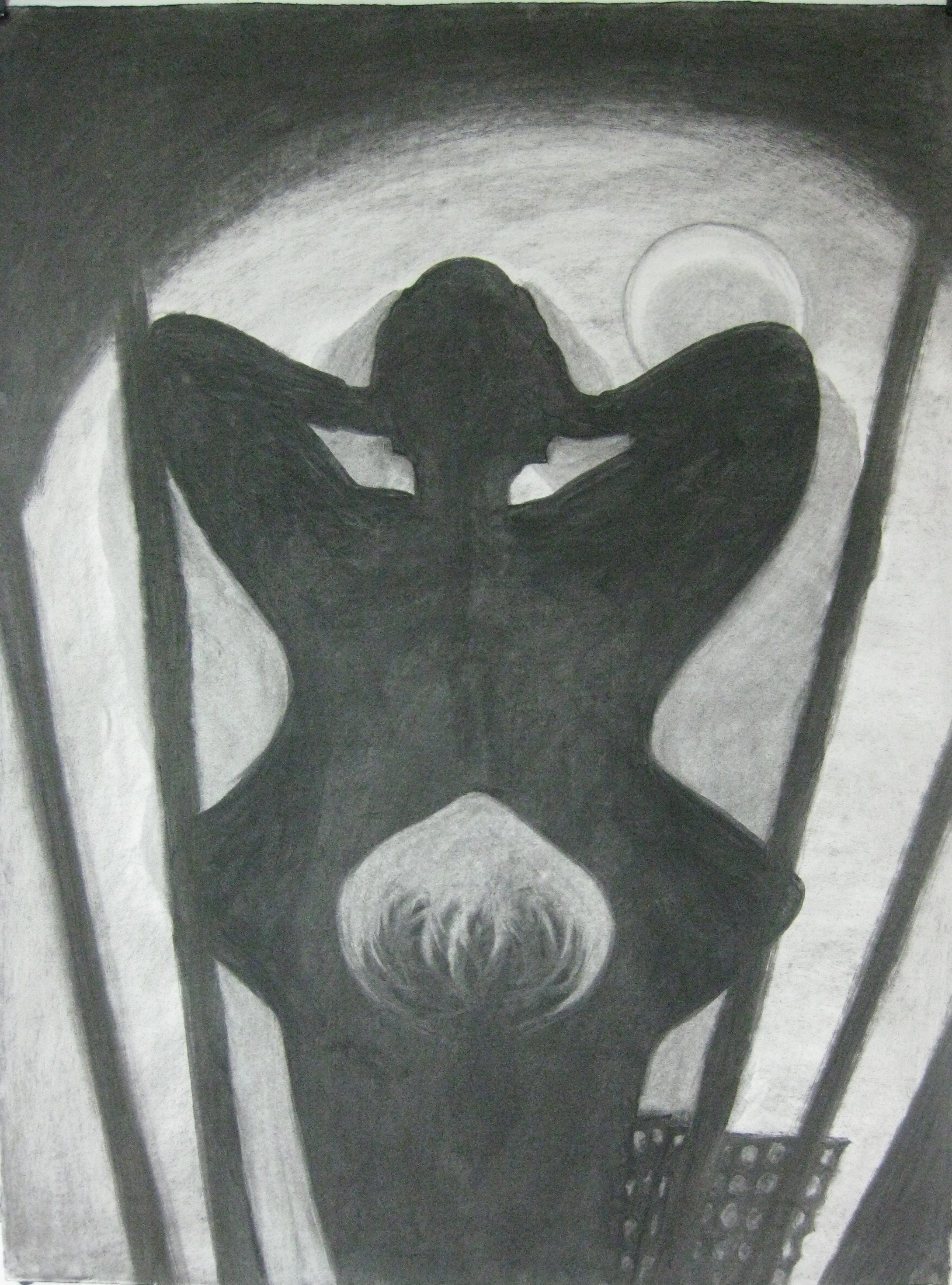
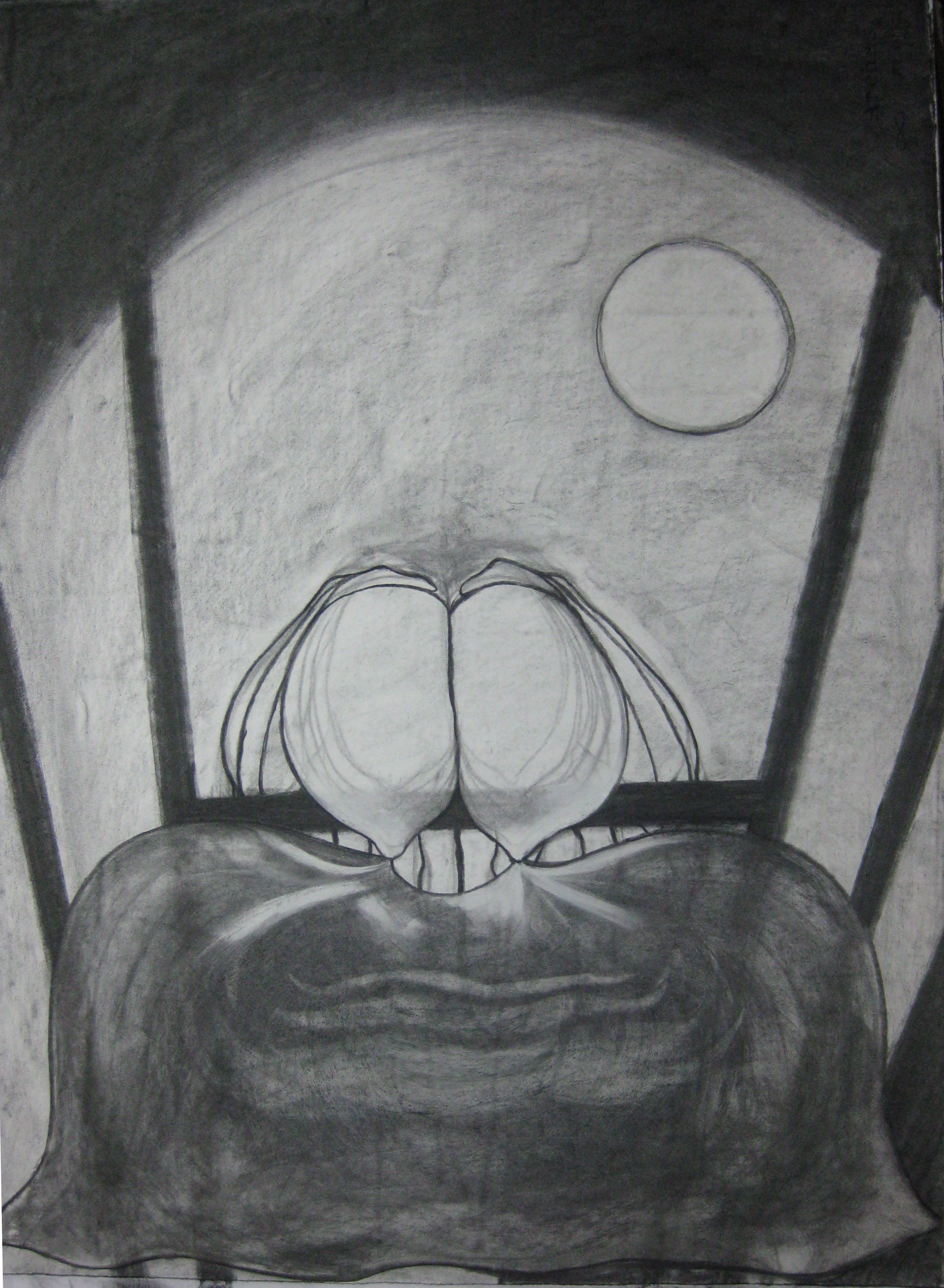
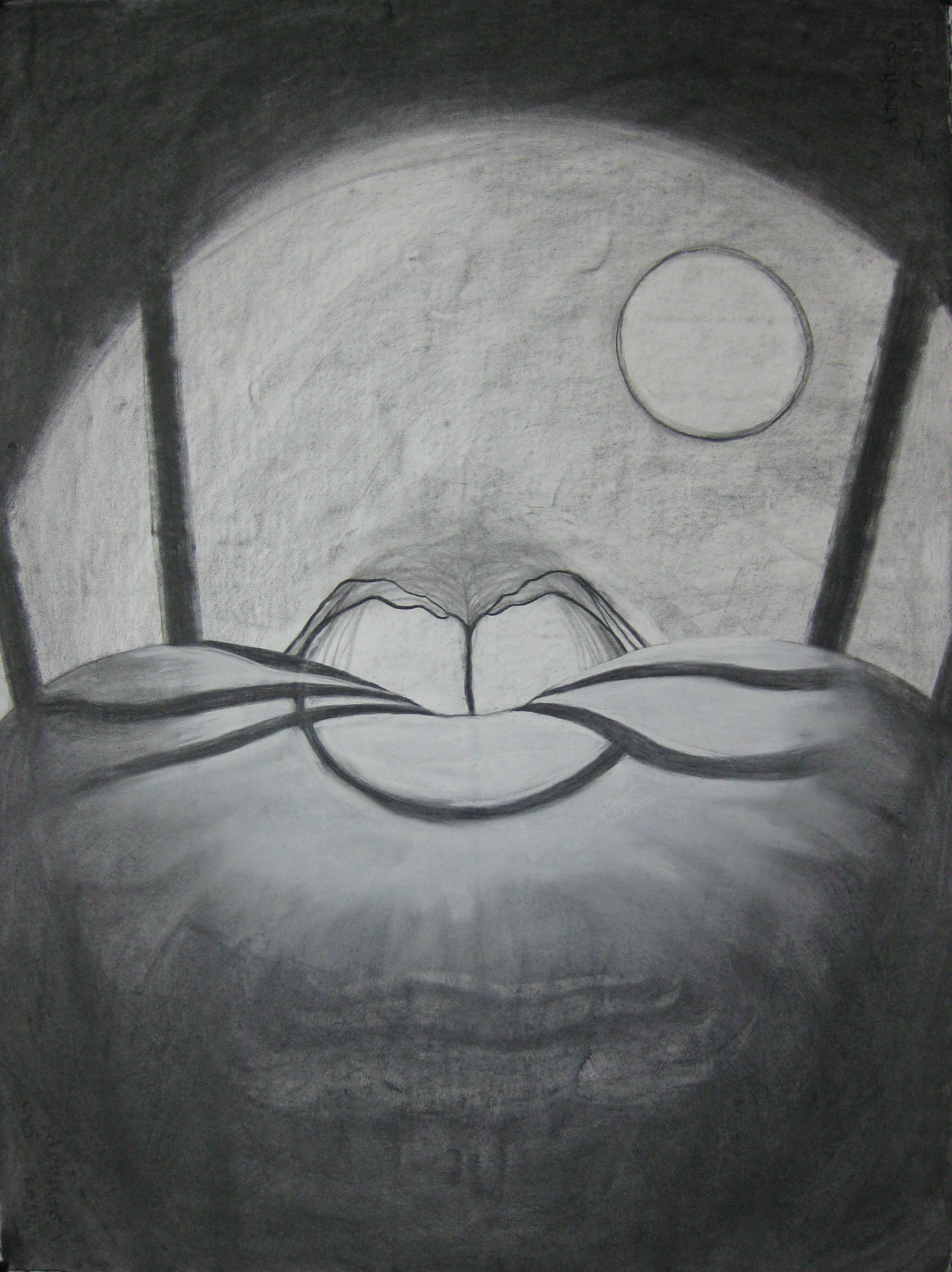
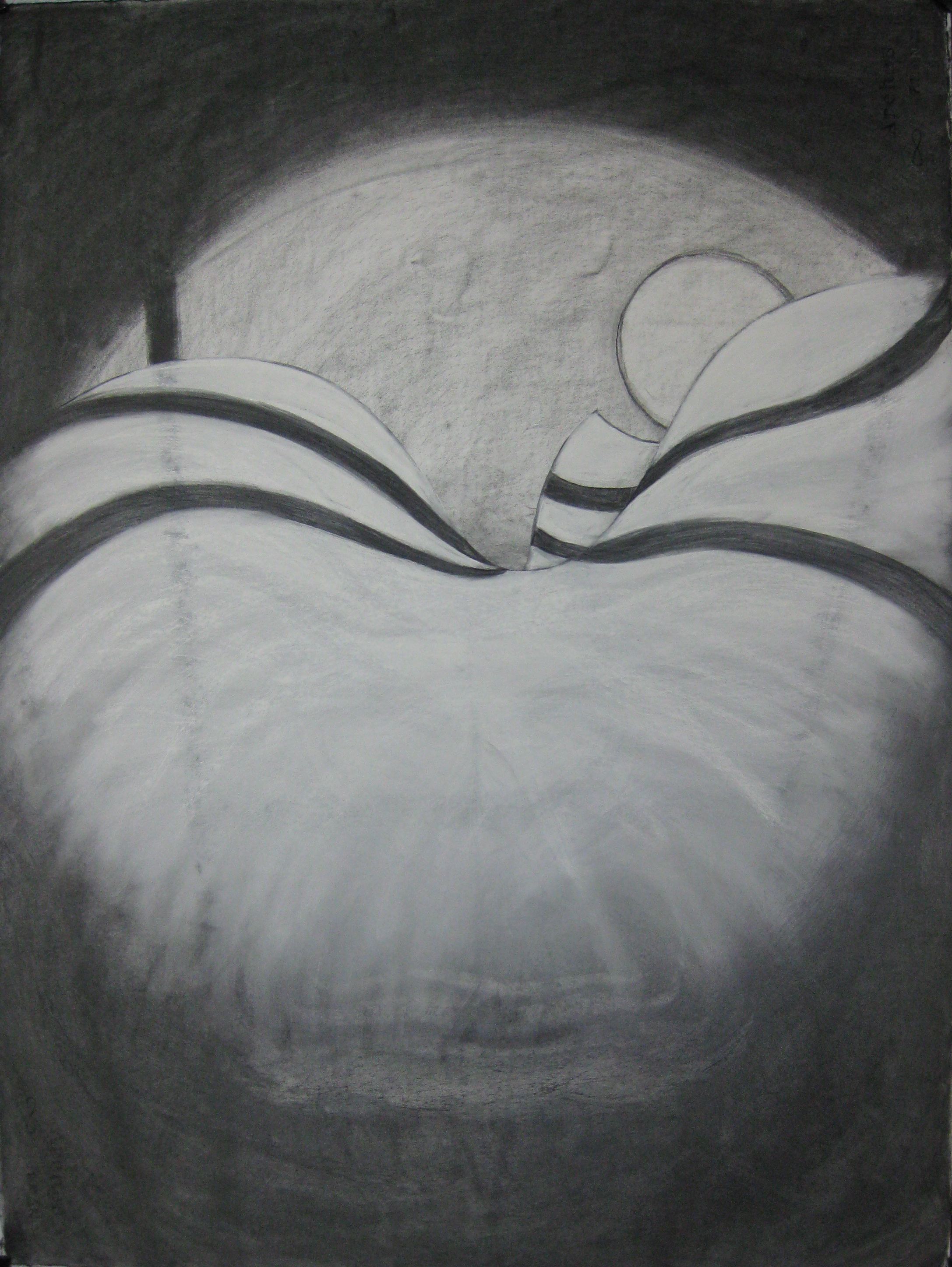
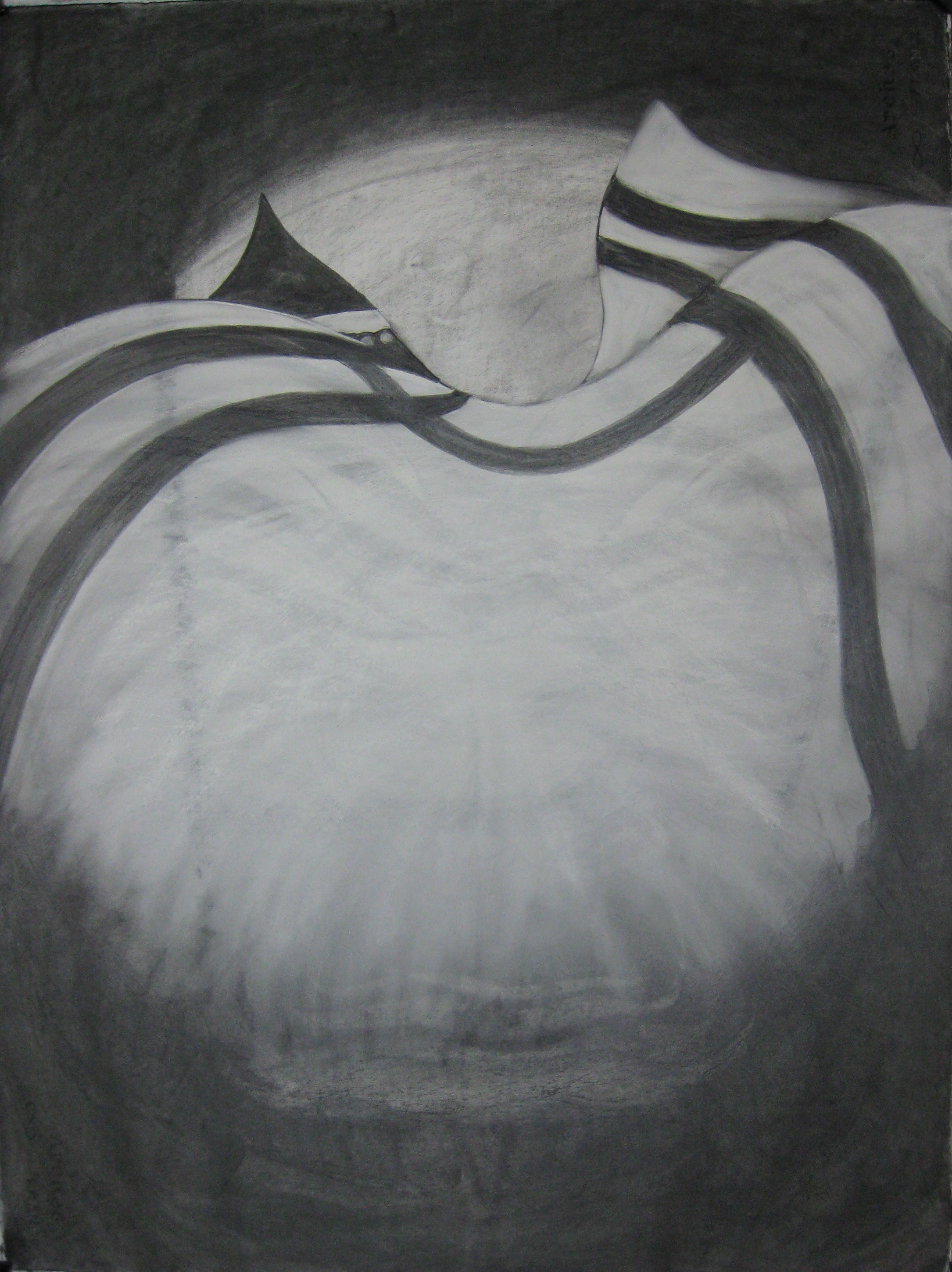
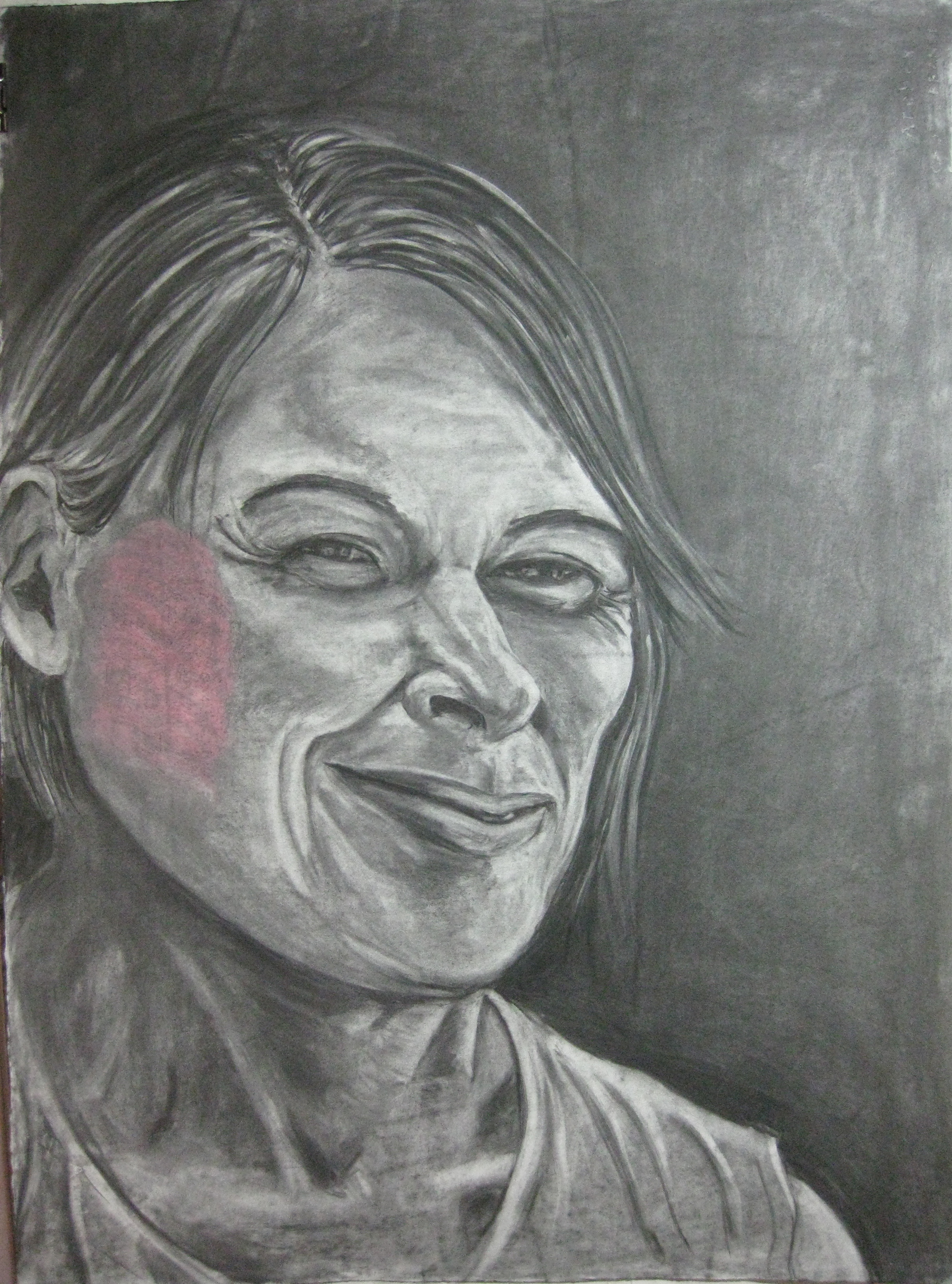
“Well, I draw with charcoal on paper in the usual way but rub out sections and change them. The masses of images that I produce are captured by a digital camera and then the electronic page-flipping wizardry of a simple computer program brings them to life. I have to time the images so they flow in the way I want them to, then add a sound track and then convert the presentation to a program that I can transfer onto the internet or play on a digital screen. It’s a technique that’s added not only the dimension of time to my drawing, but also offers many unexpected creative surprises. Sometimes a sequence can be effective using only a few images, but sometimes I need to use a hundred or more.”
What are the animations about?
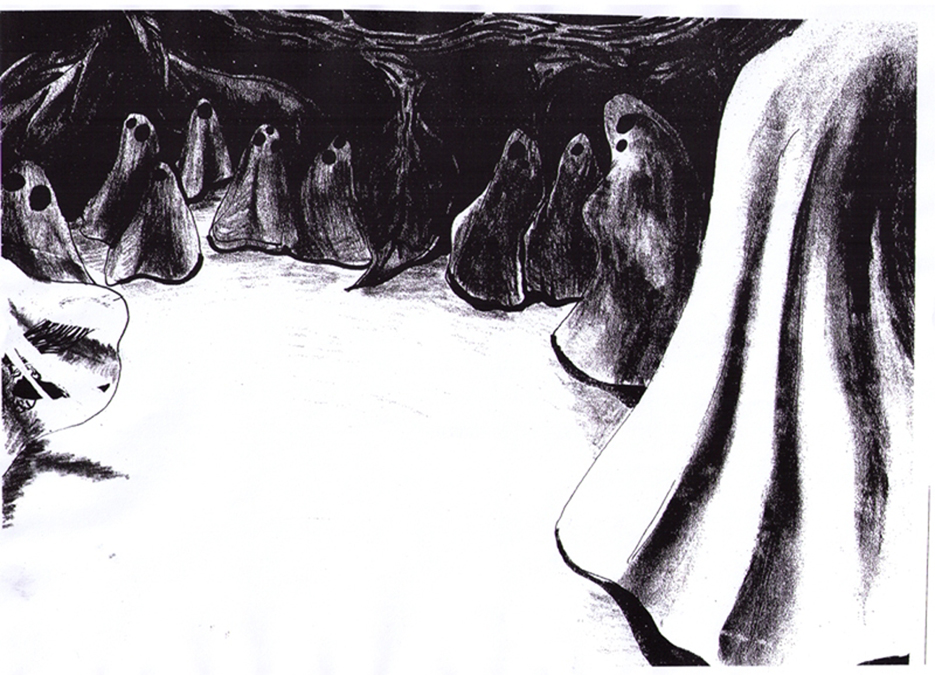
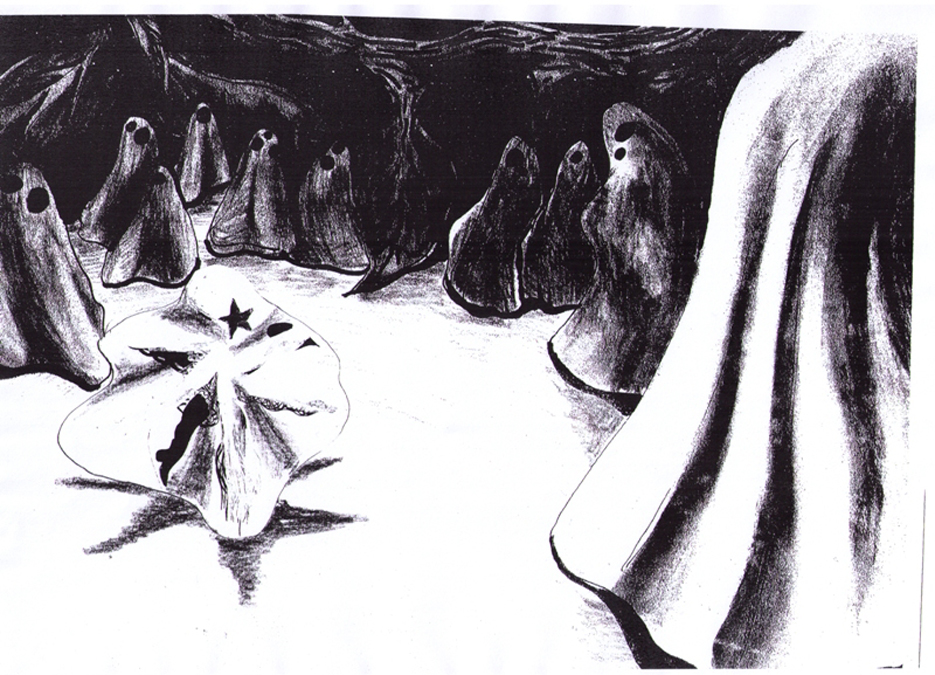
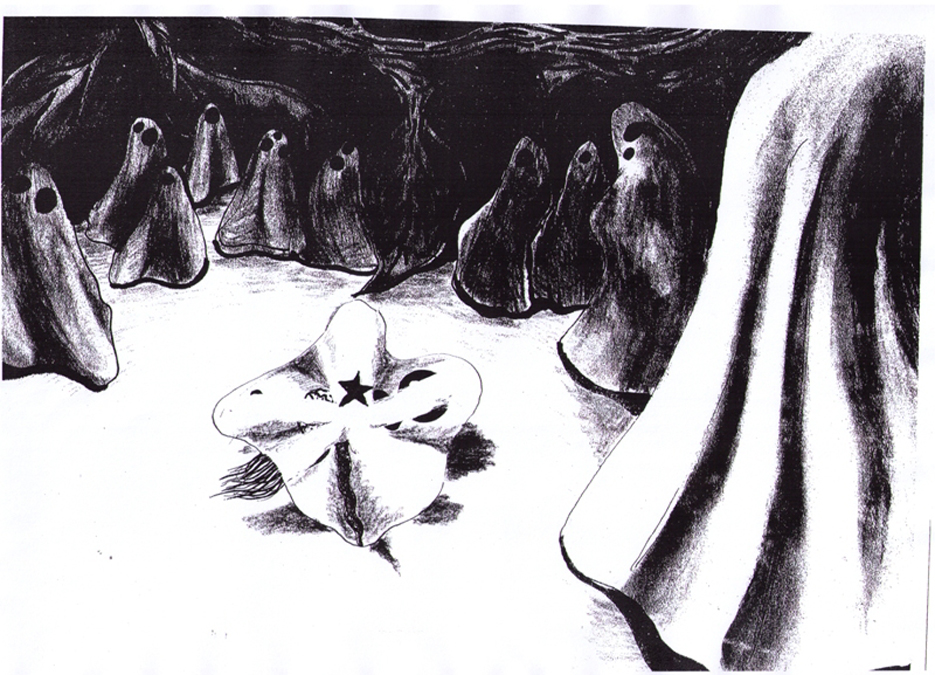
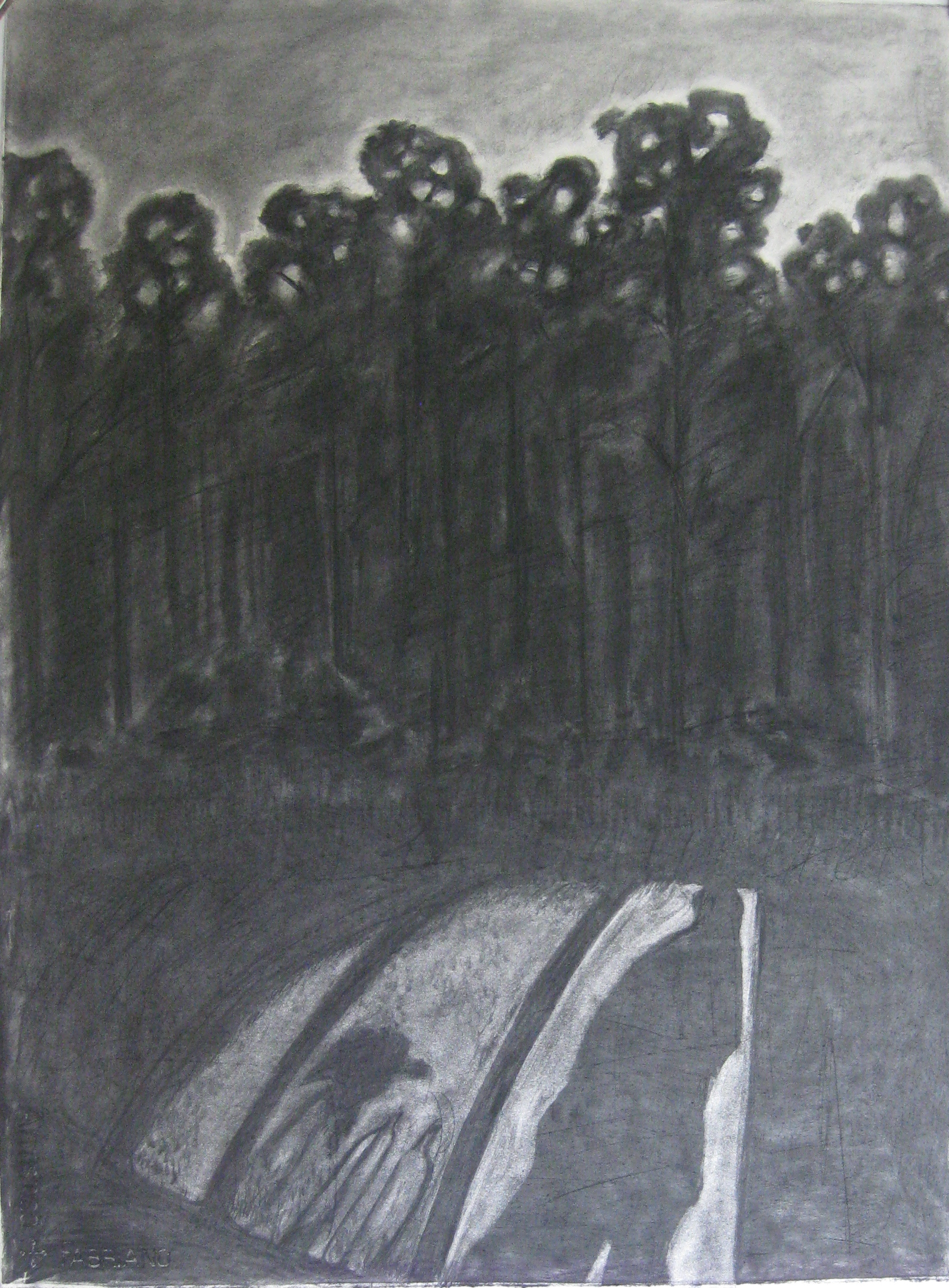
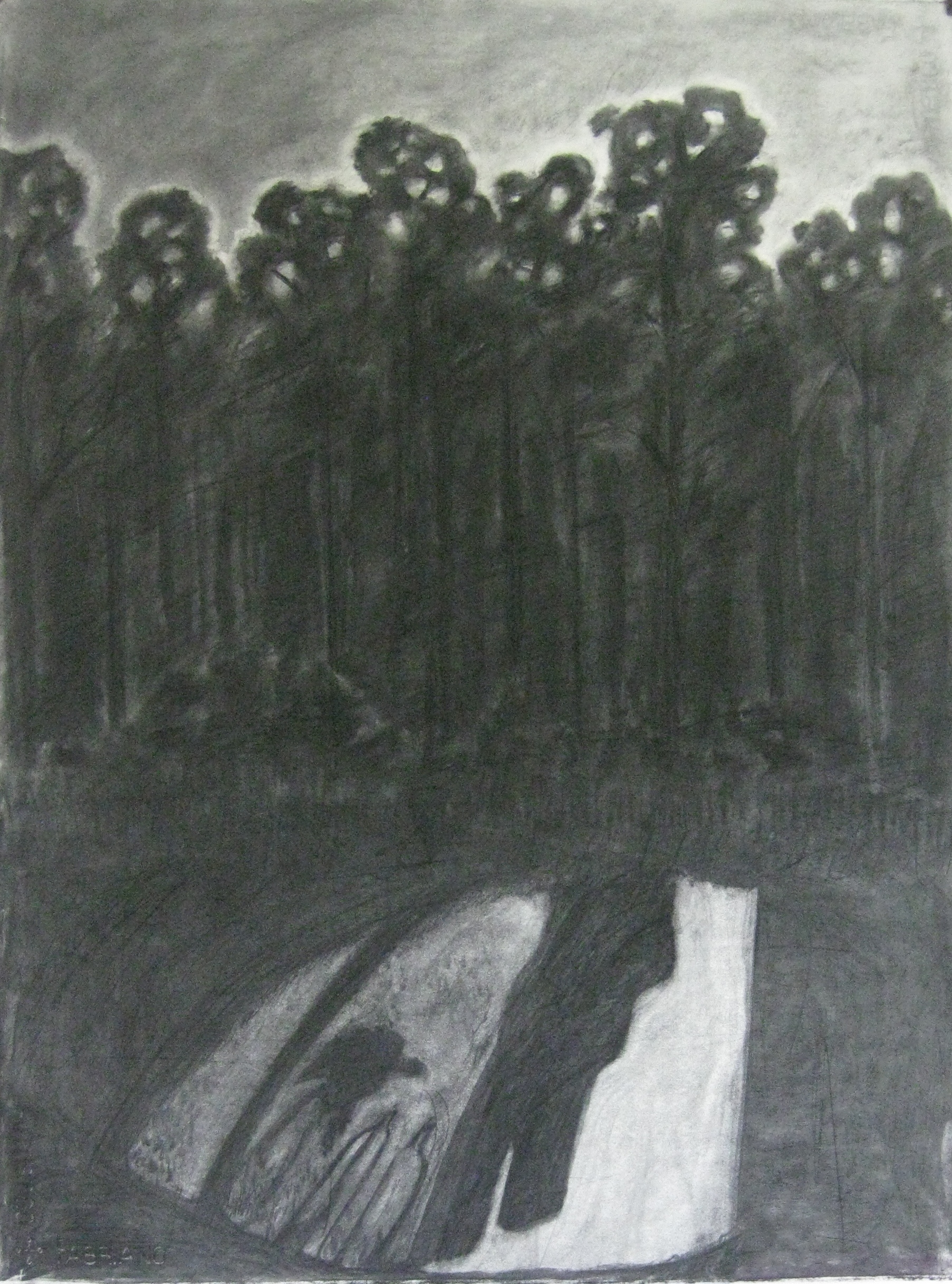
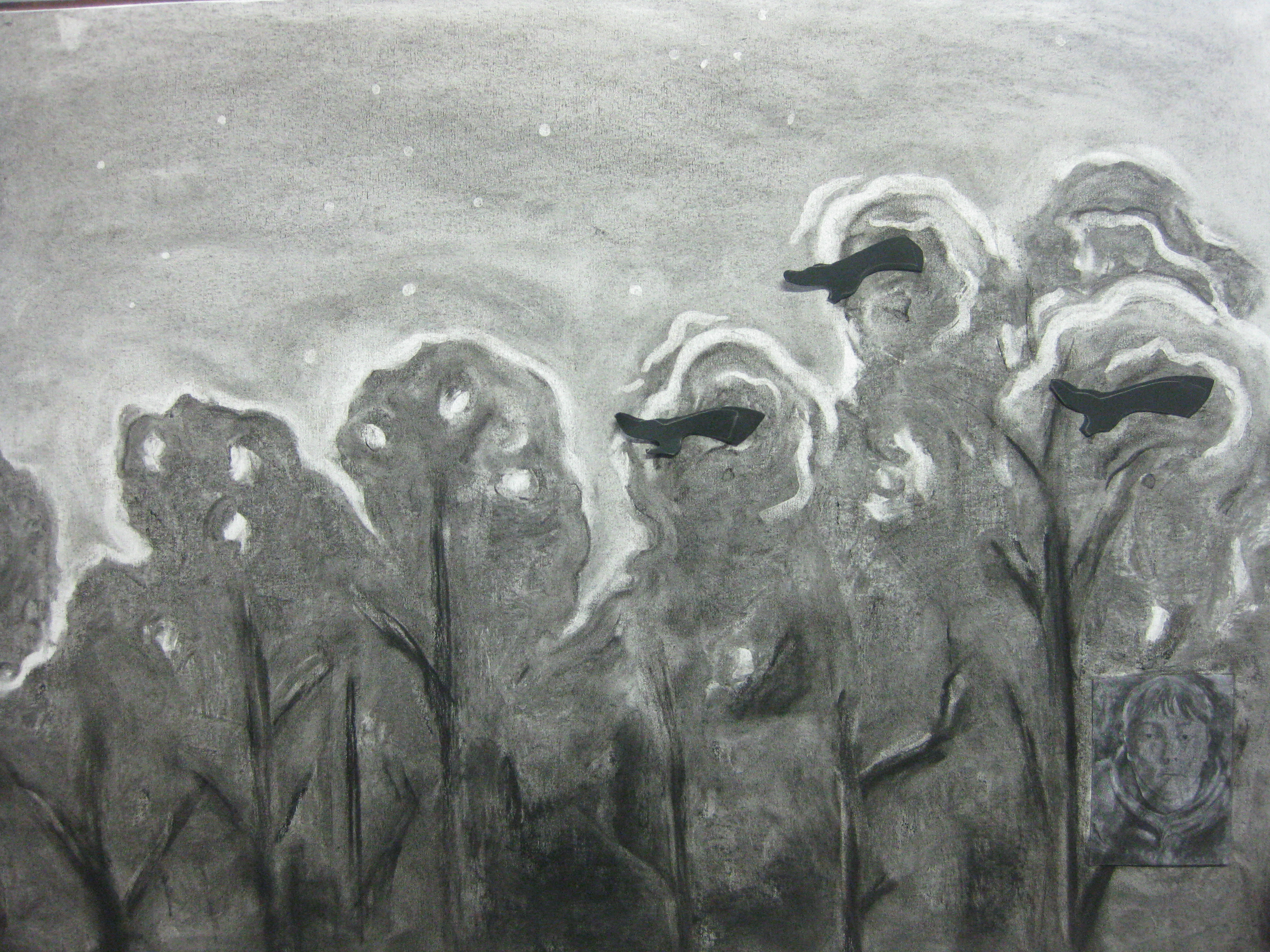
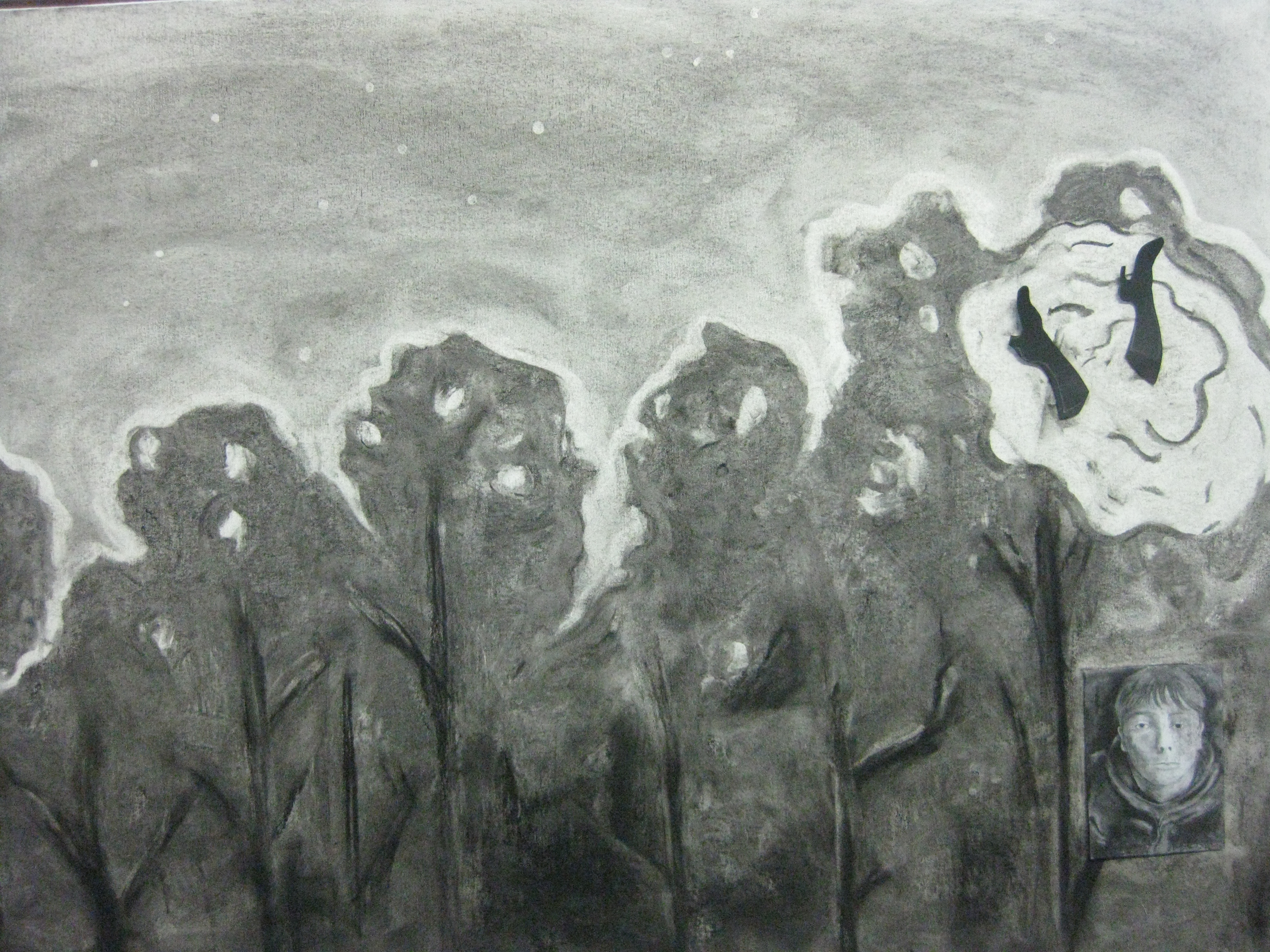
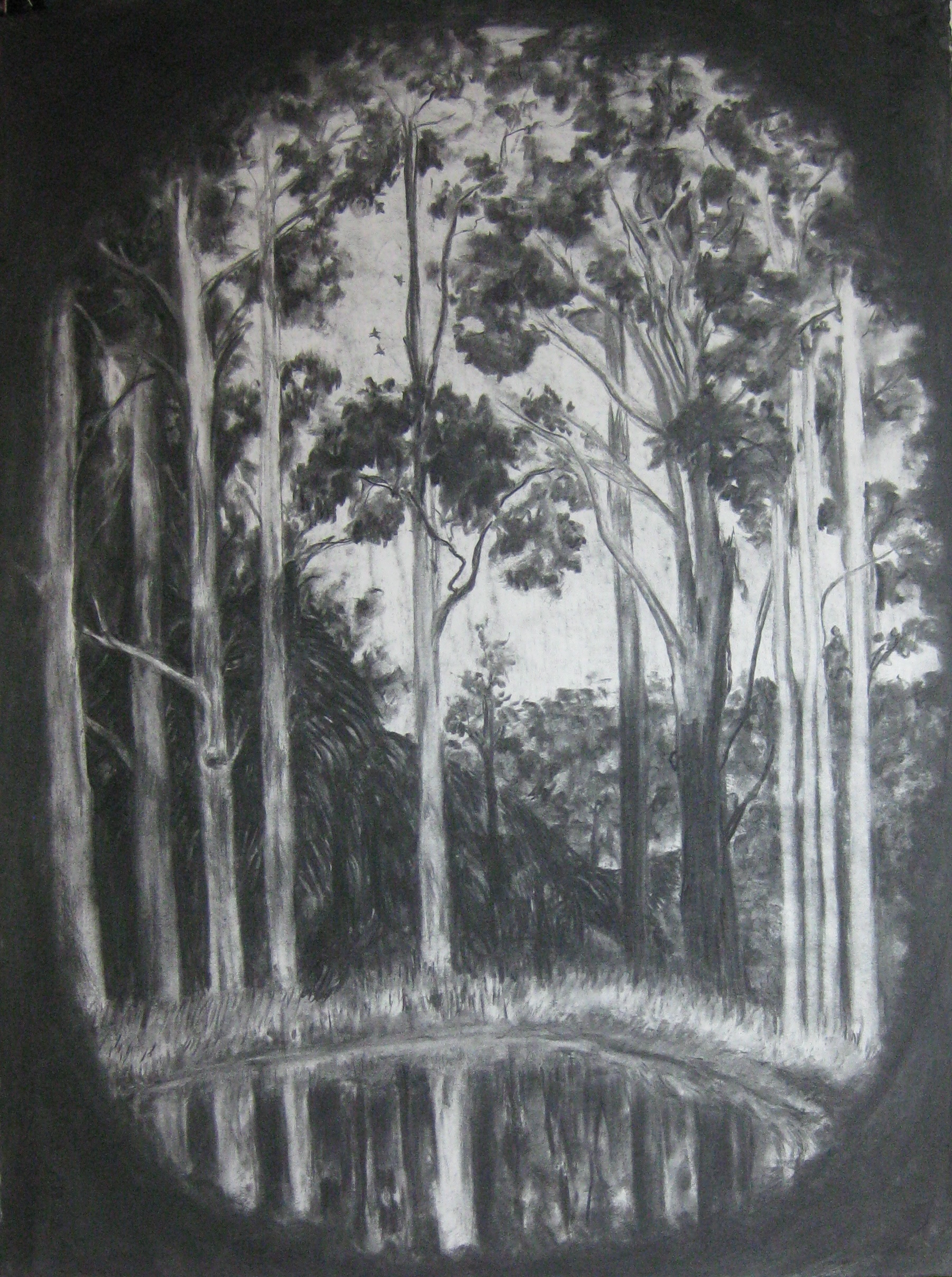
The oldest one, “Mum”, is about escaping the confines of domesticity by fantasizing about escape into the freedom of the forest at night. The forest hosts a bawdy dance into which Mum ascends, but she is very quickly called back to reality. The soundtrack is the sounds of the bush where I live.
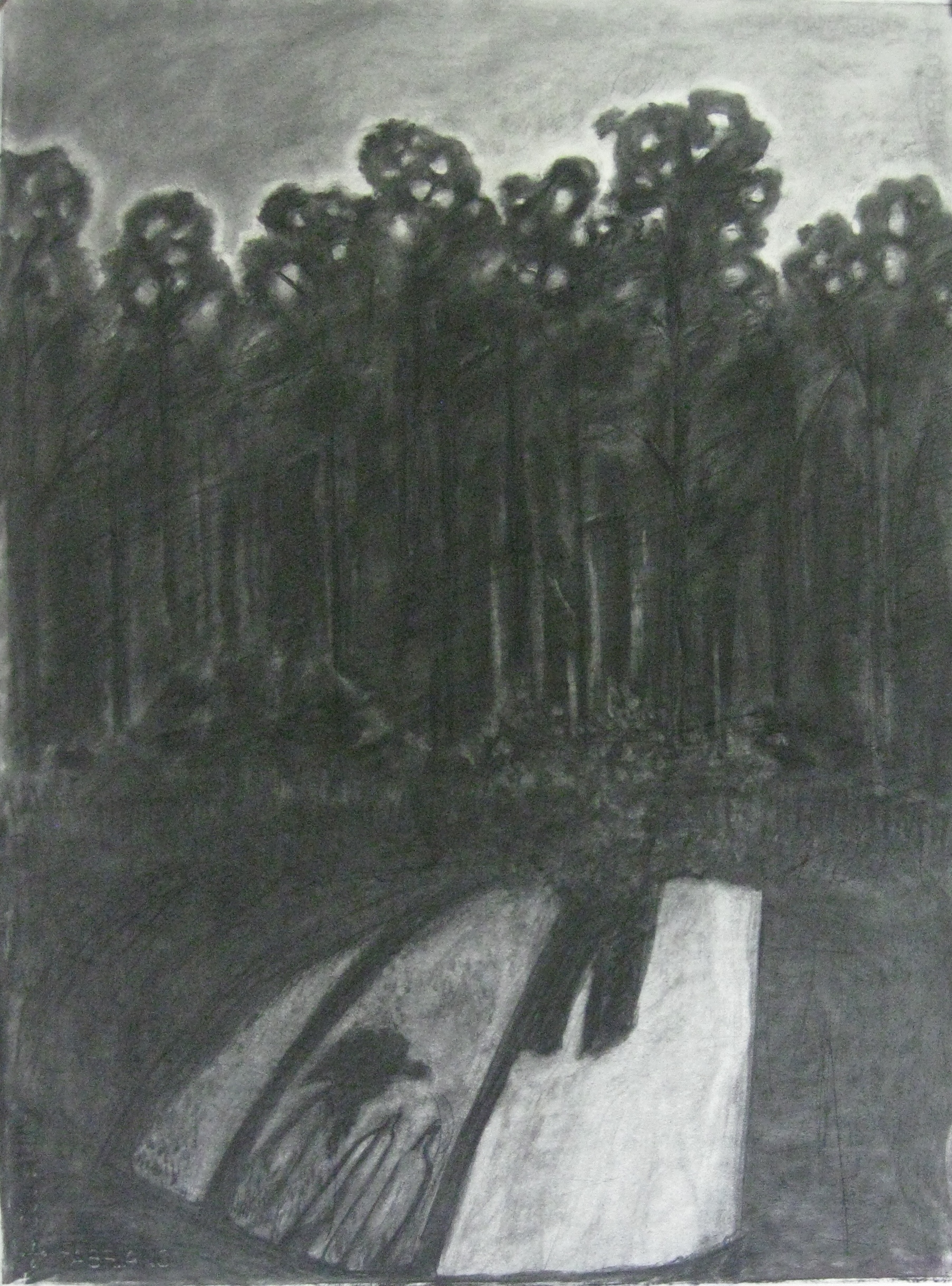
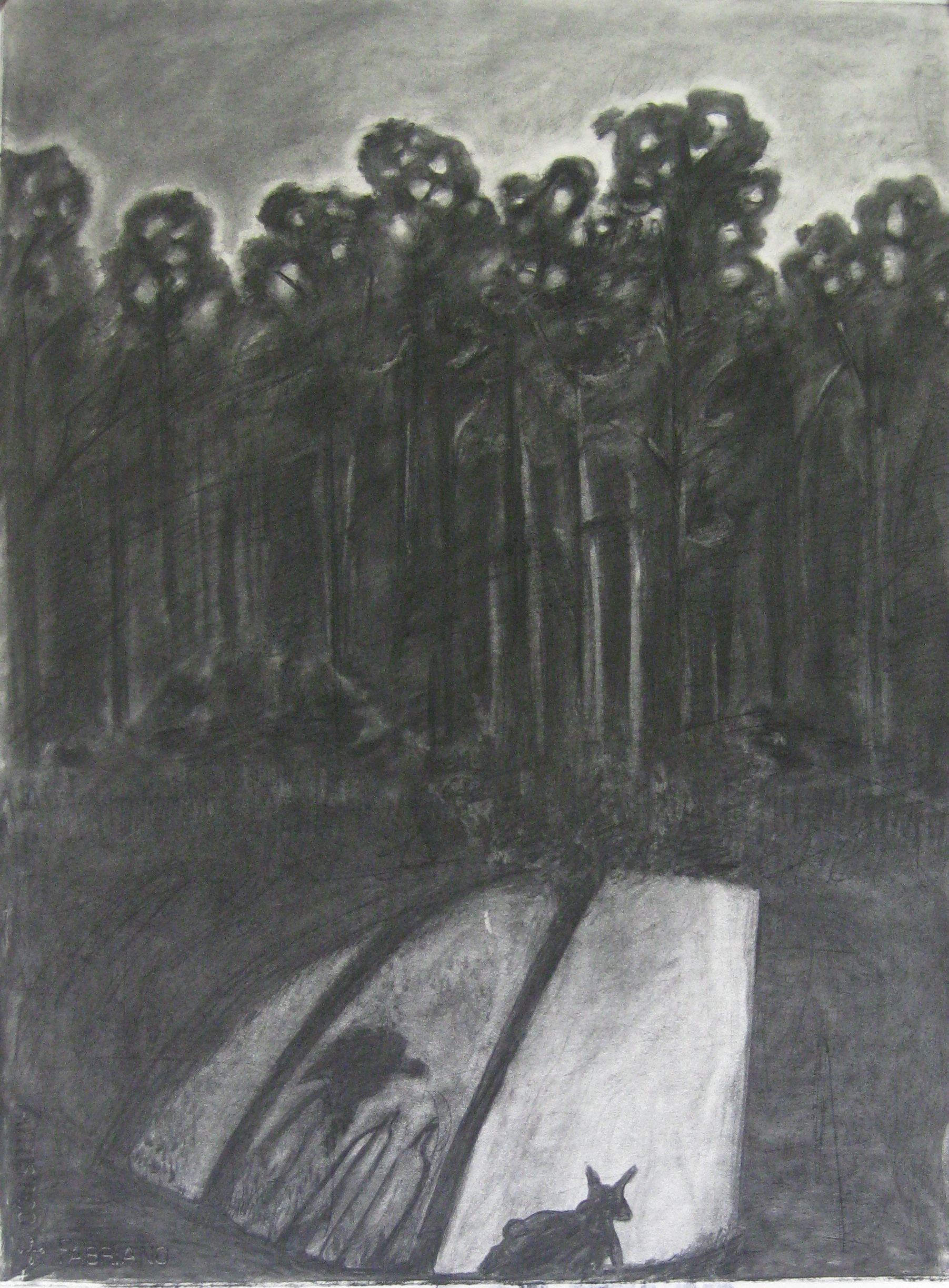
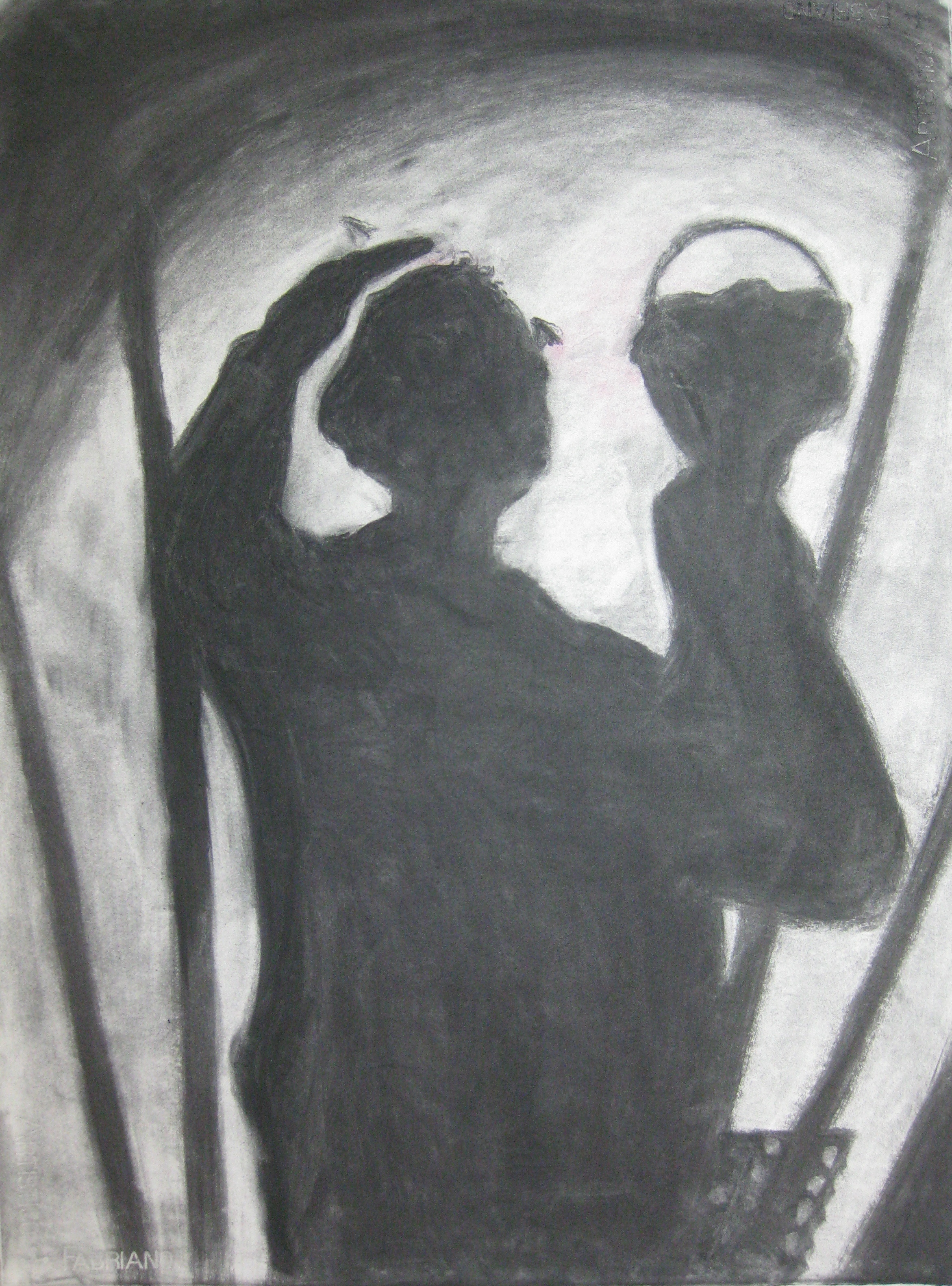
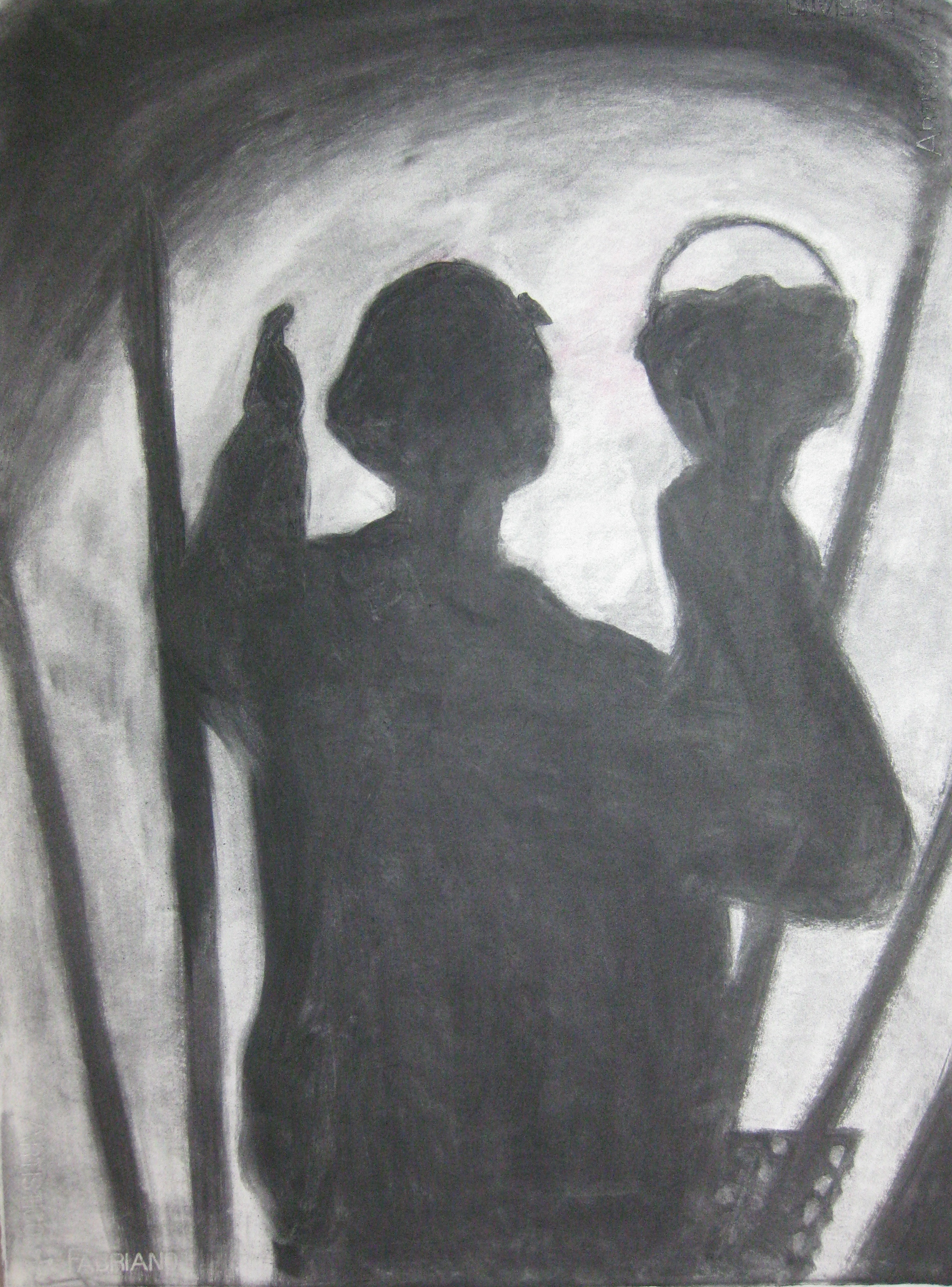
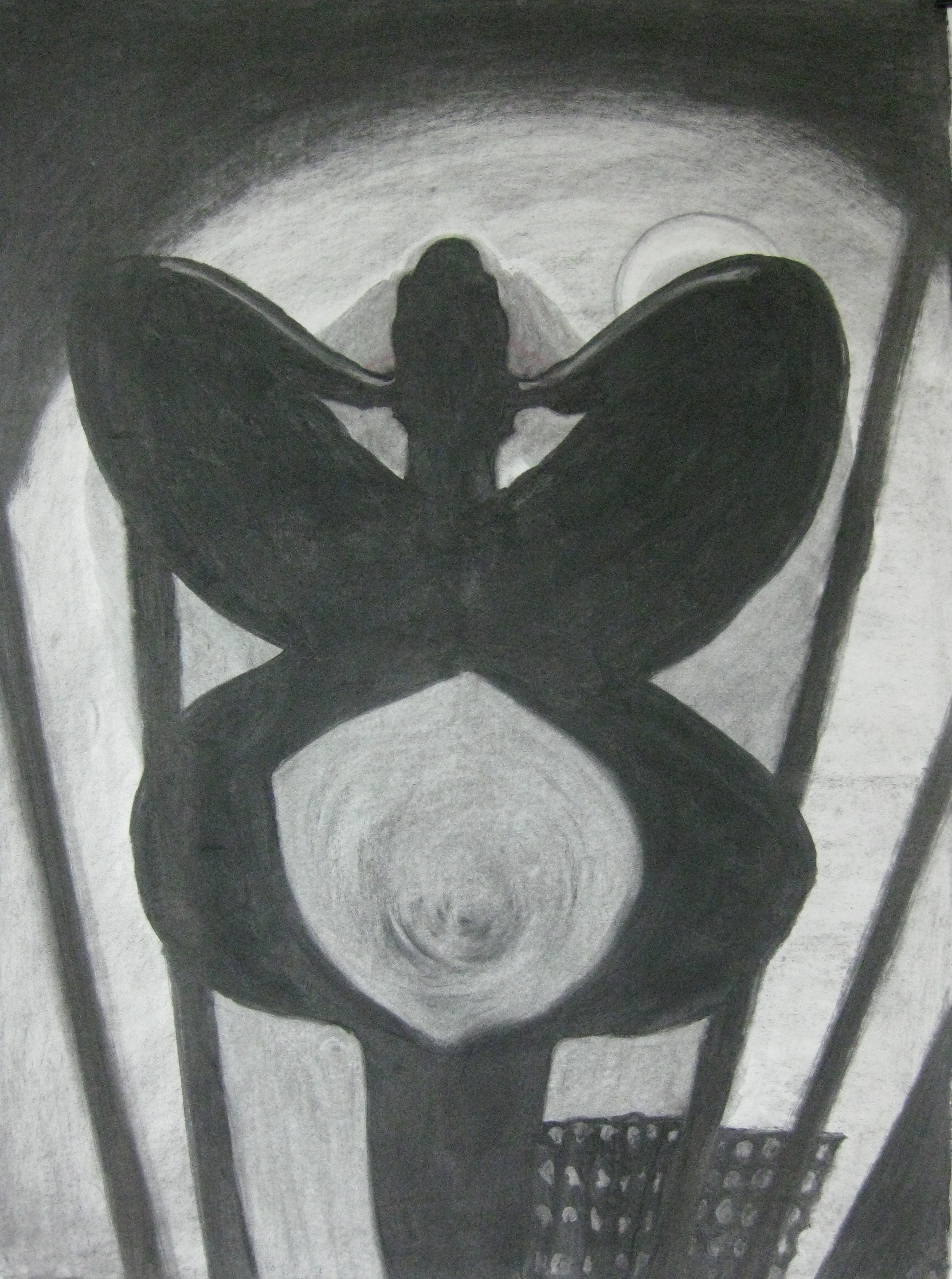
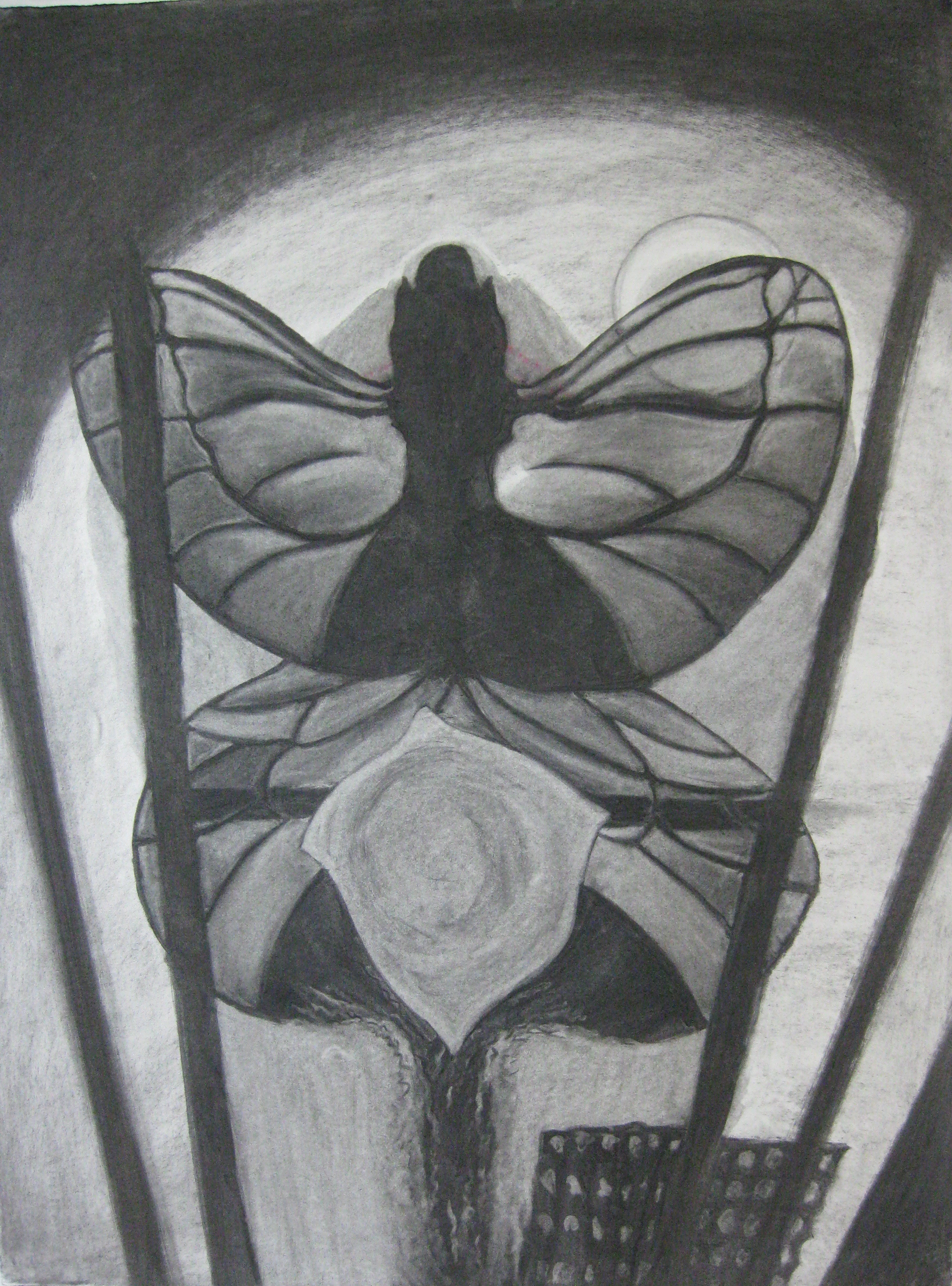
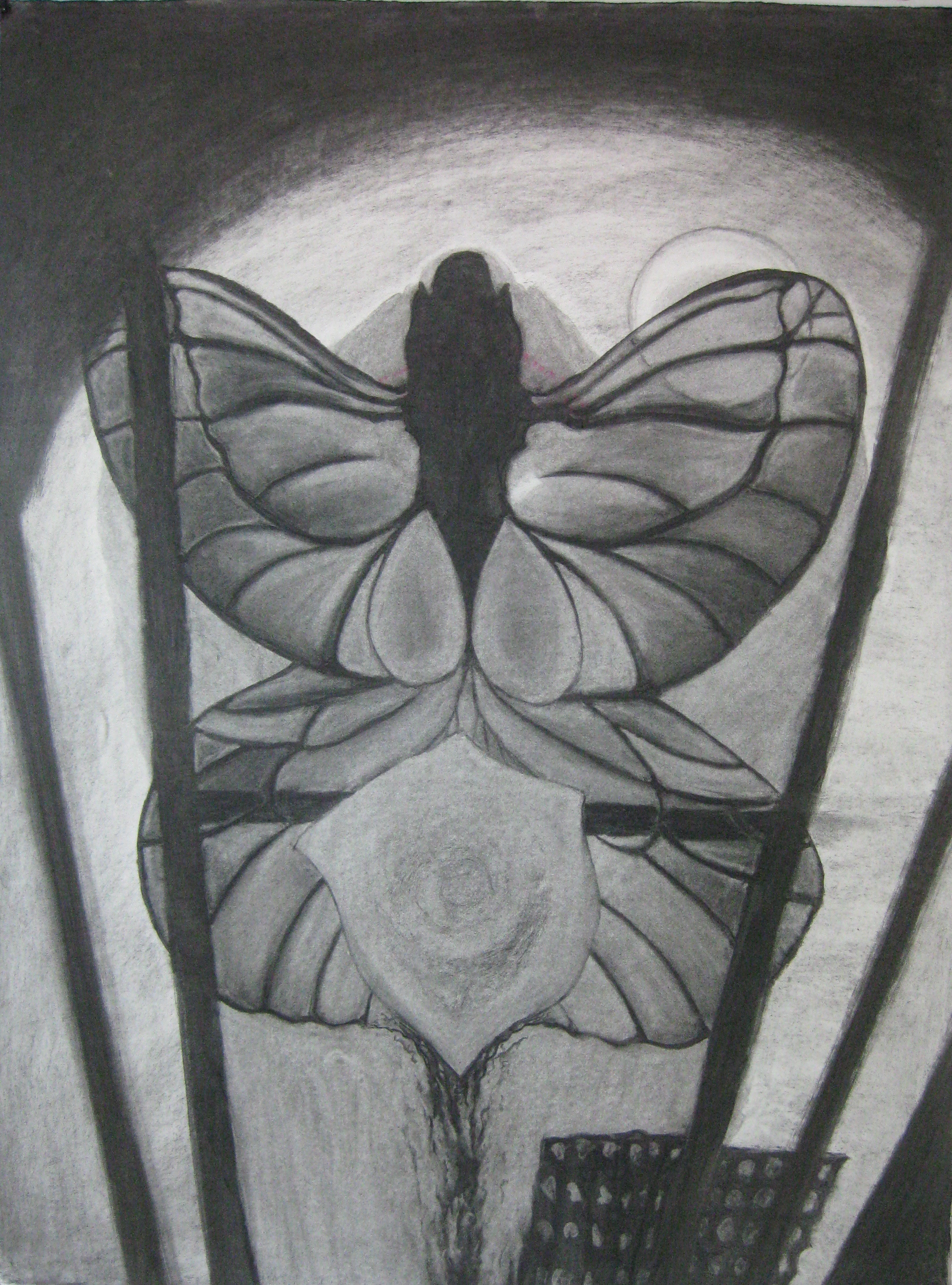
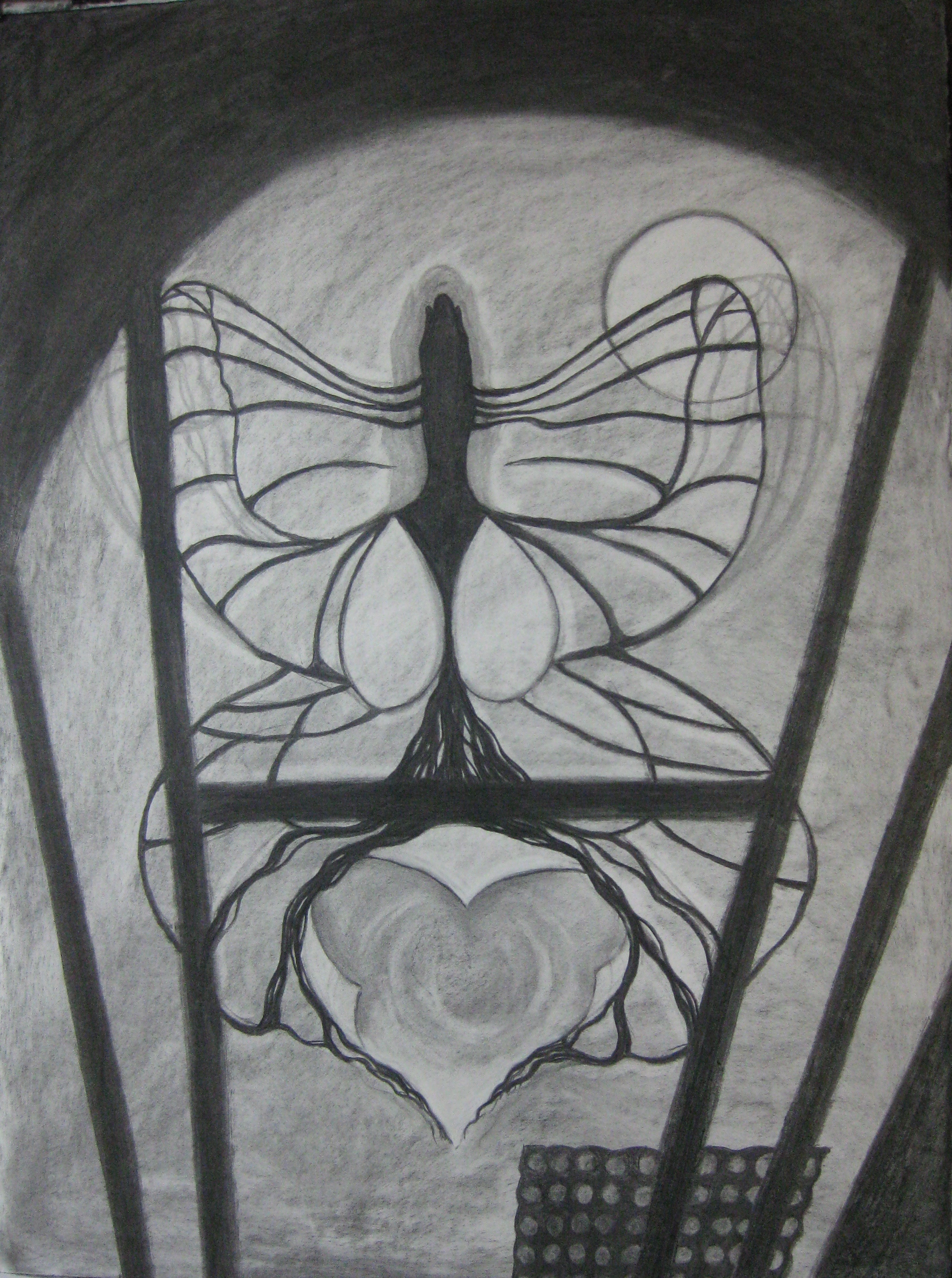
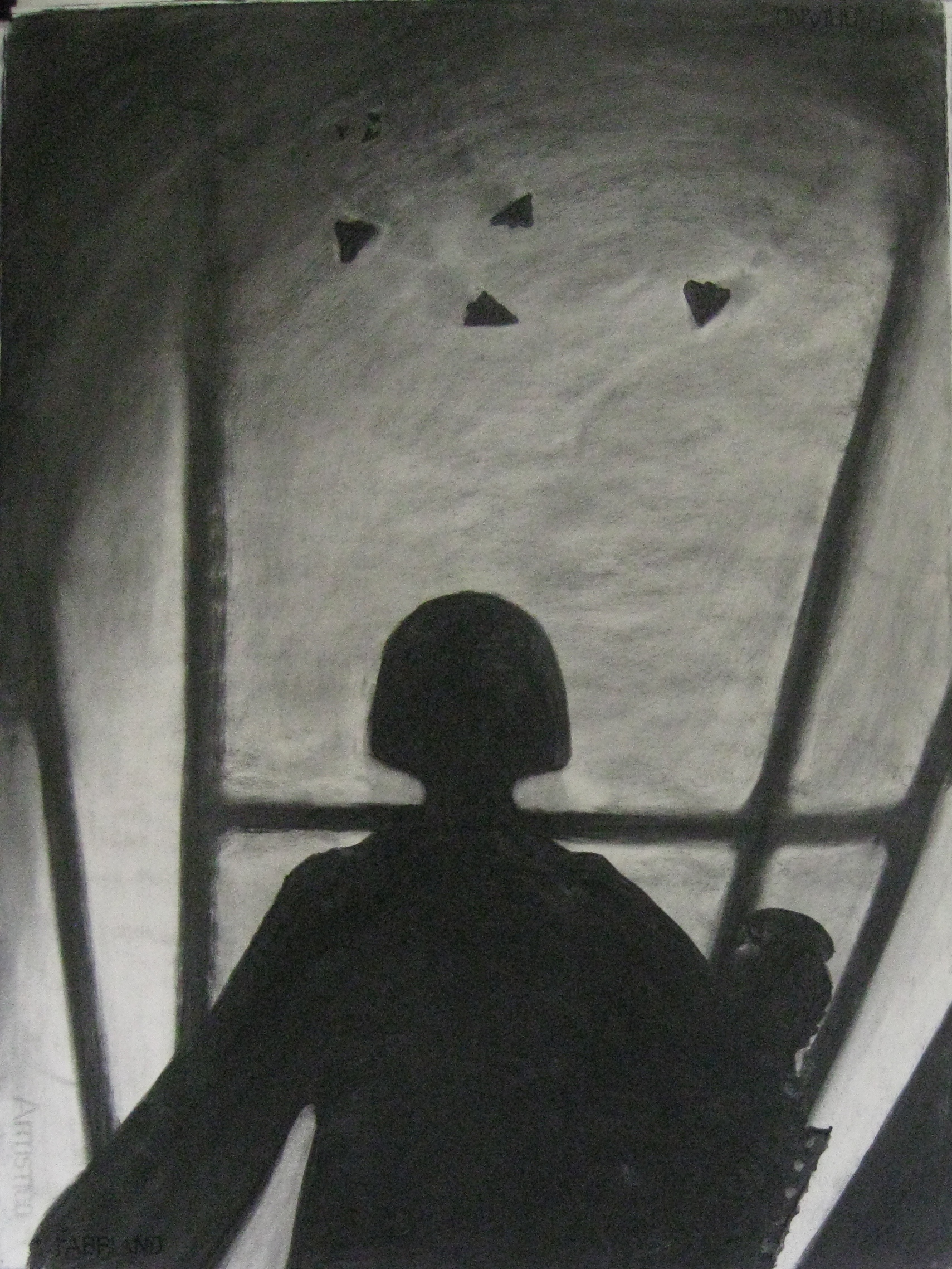
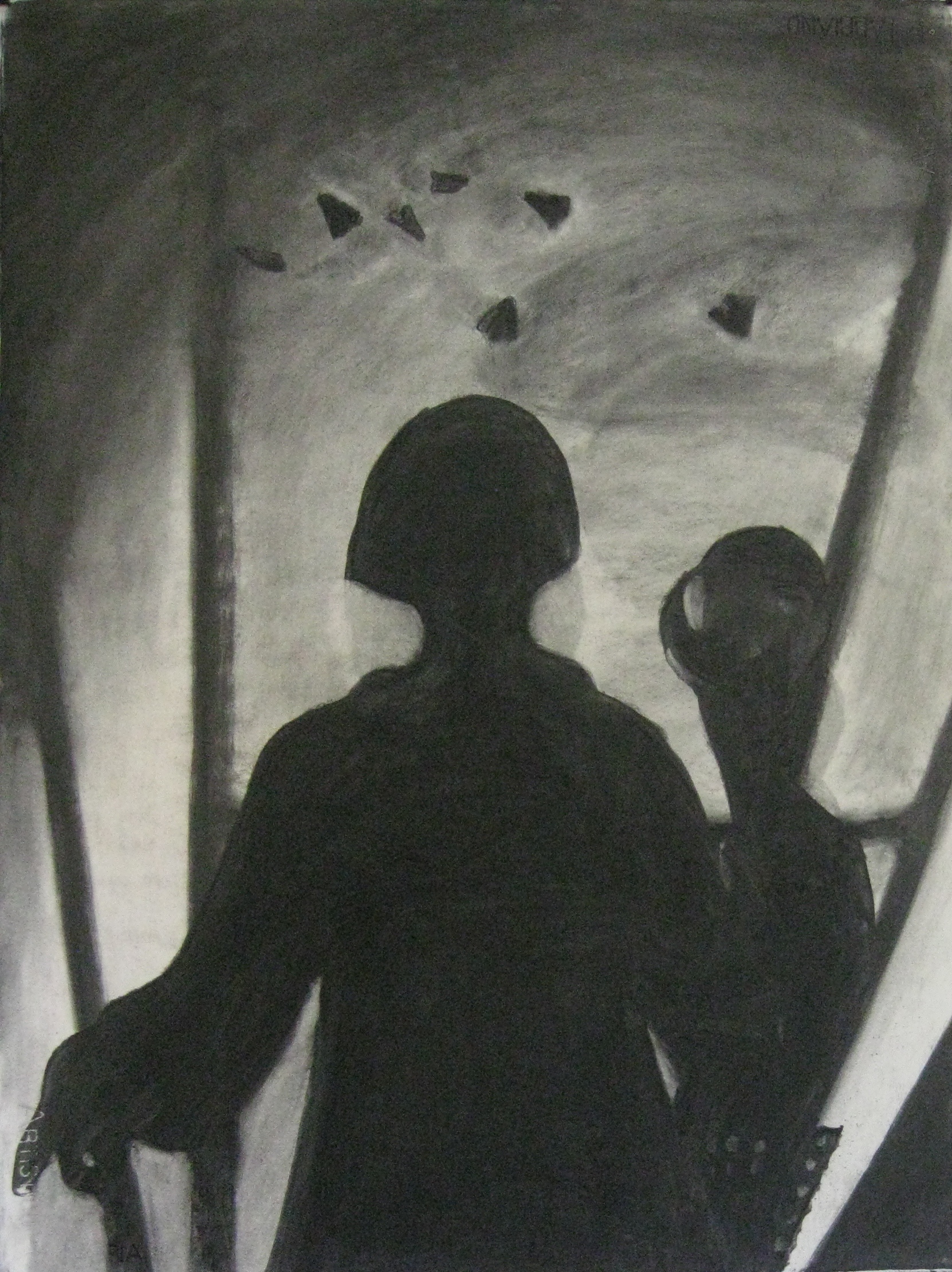
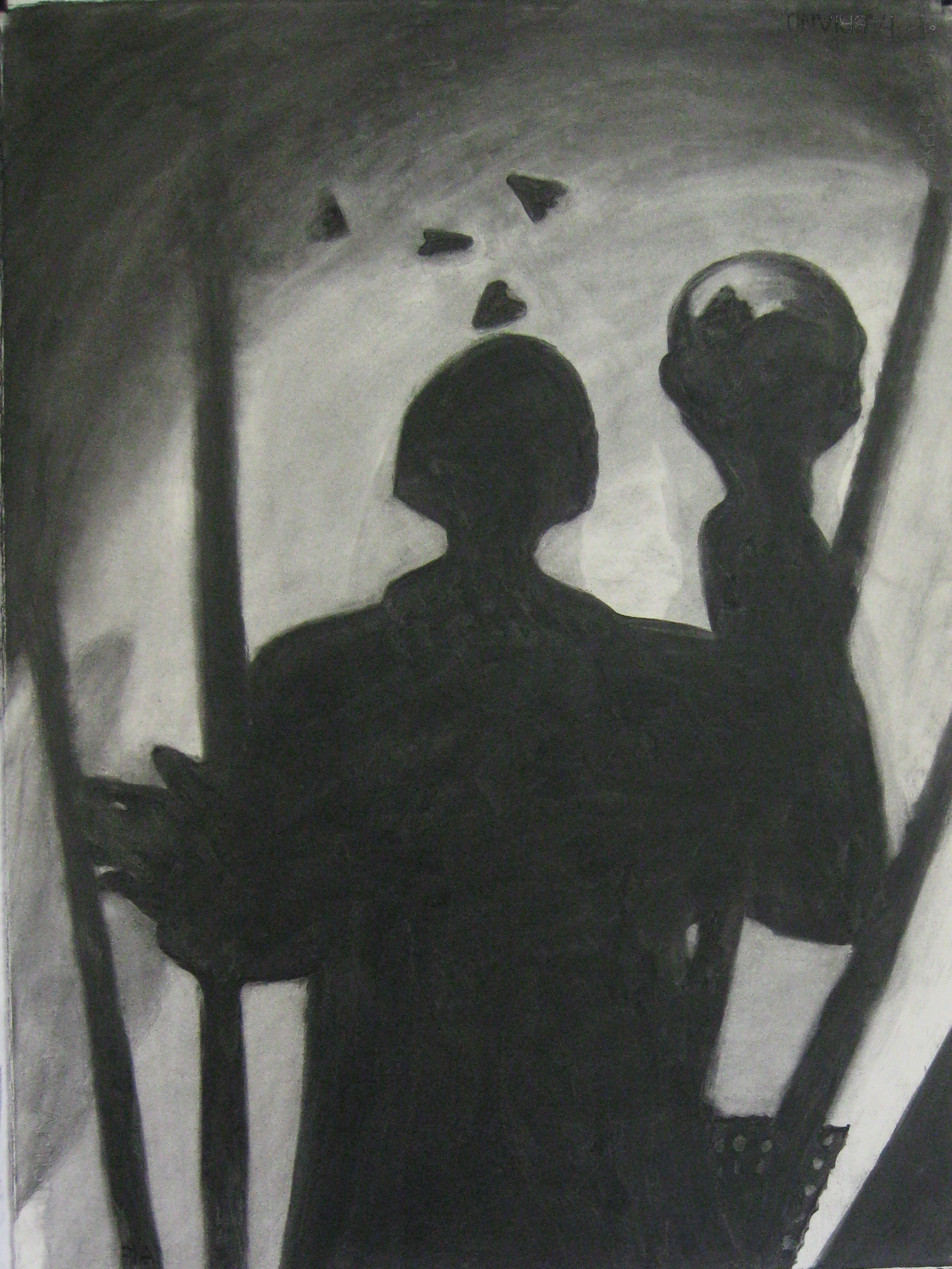
“Moth-er” grew out of “Mum”. Drawing shadows is a quick way of moving the image of the body without having to add complicated detail. I guided the sequence along without a clear idea of the end result and then it started to direct me! After the “transformation” section I took charge again….the Moth-er gives birth to her own environment, and the sequence begins again from the beginning. It’s about creating.
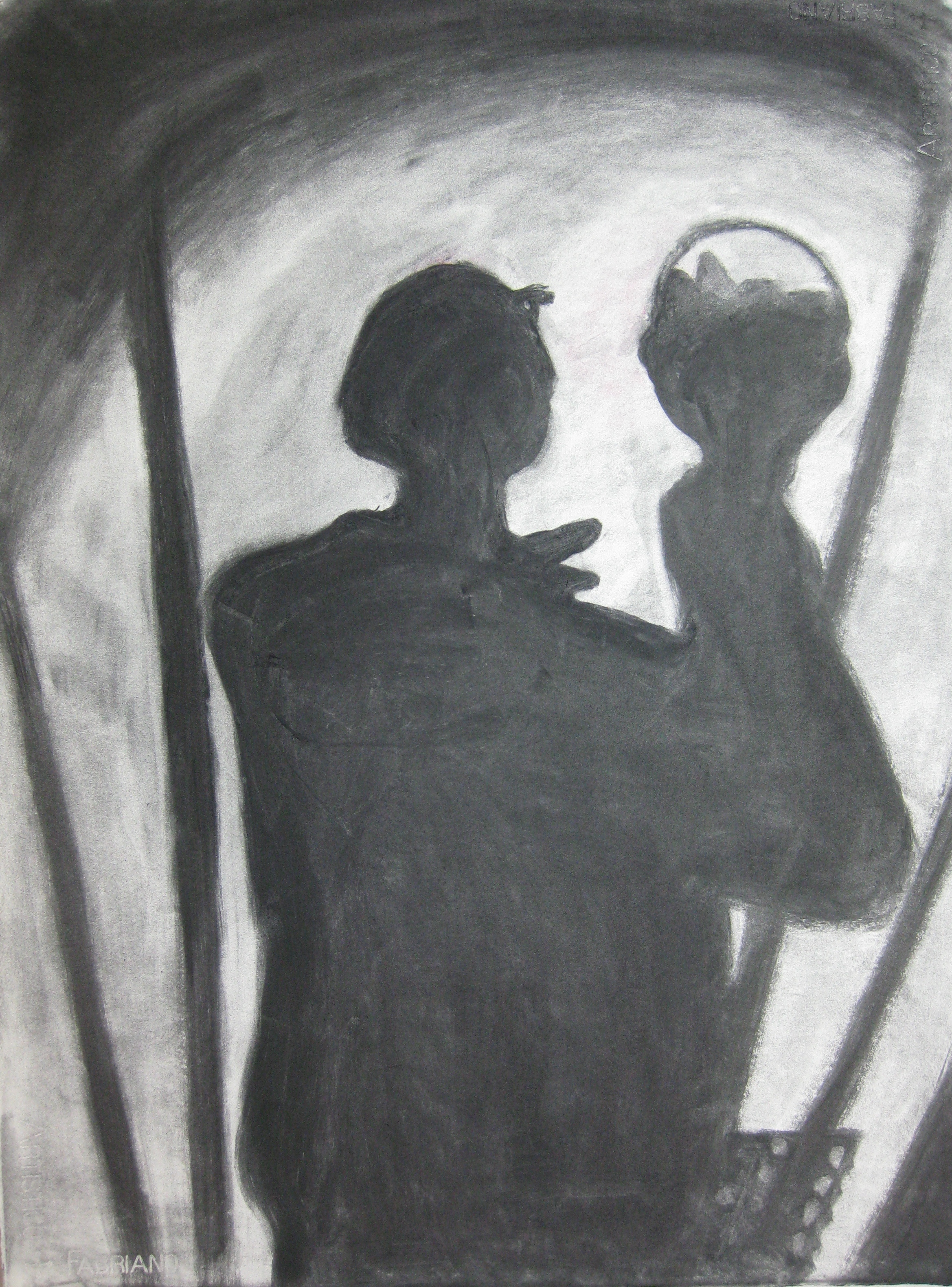
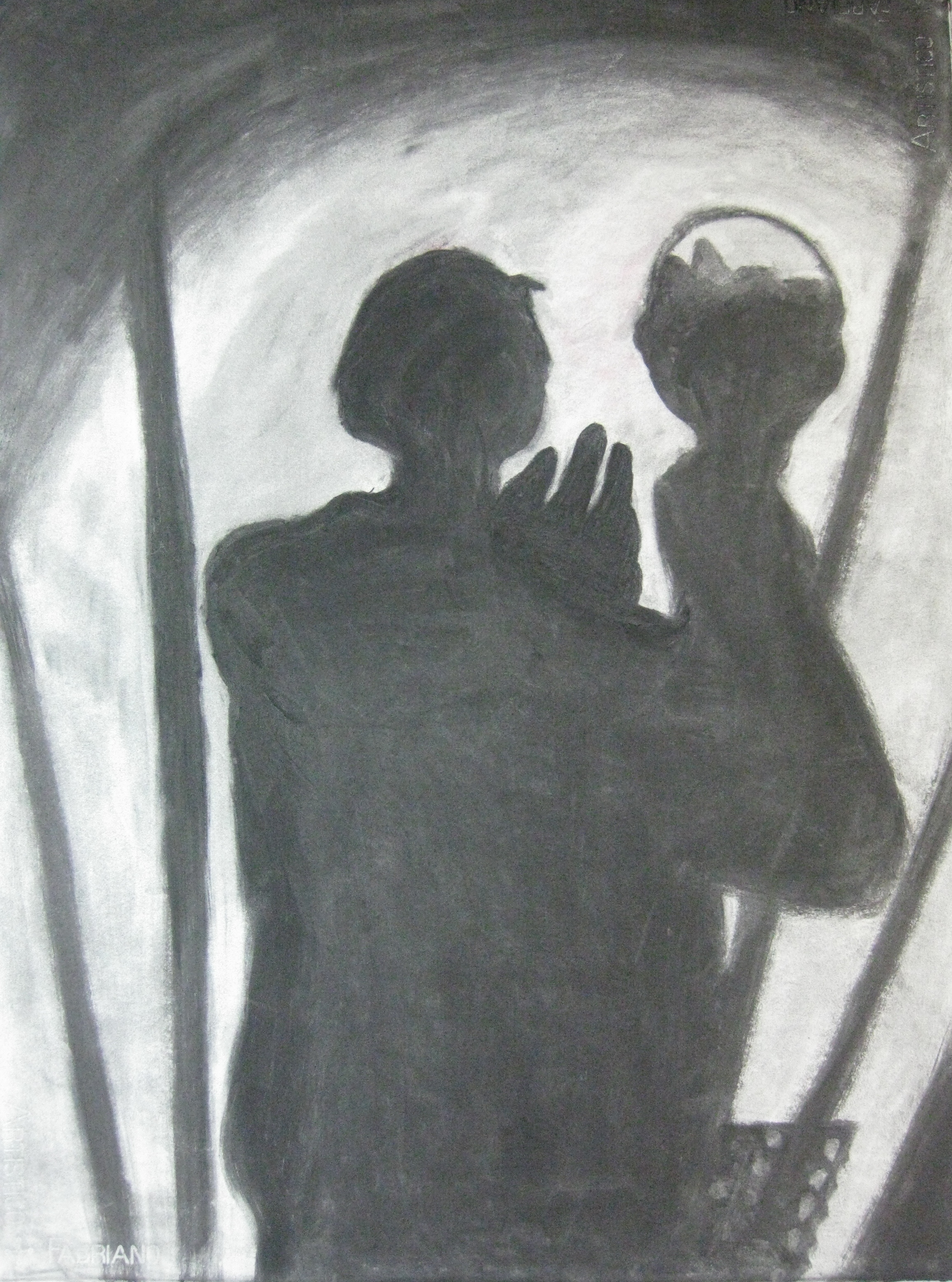
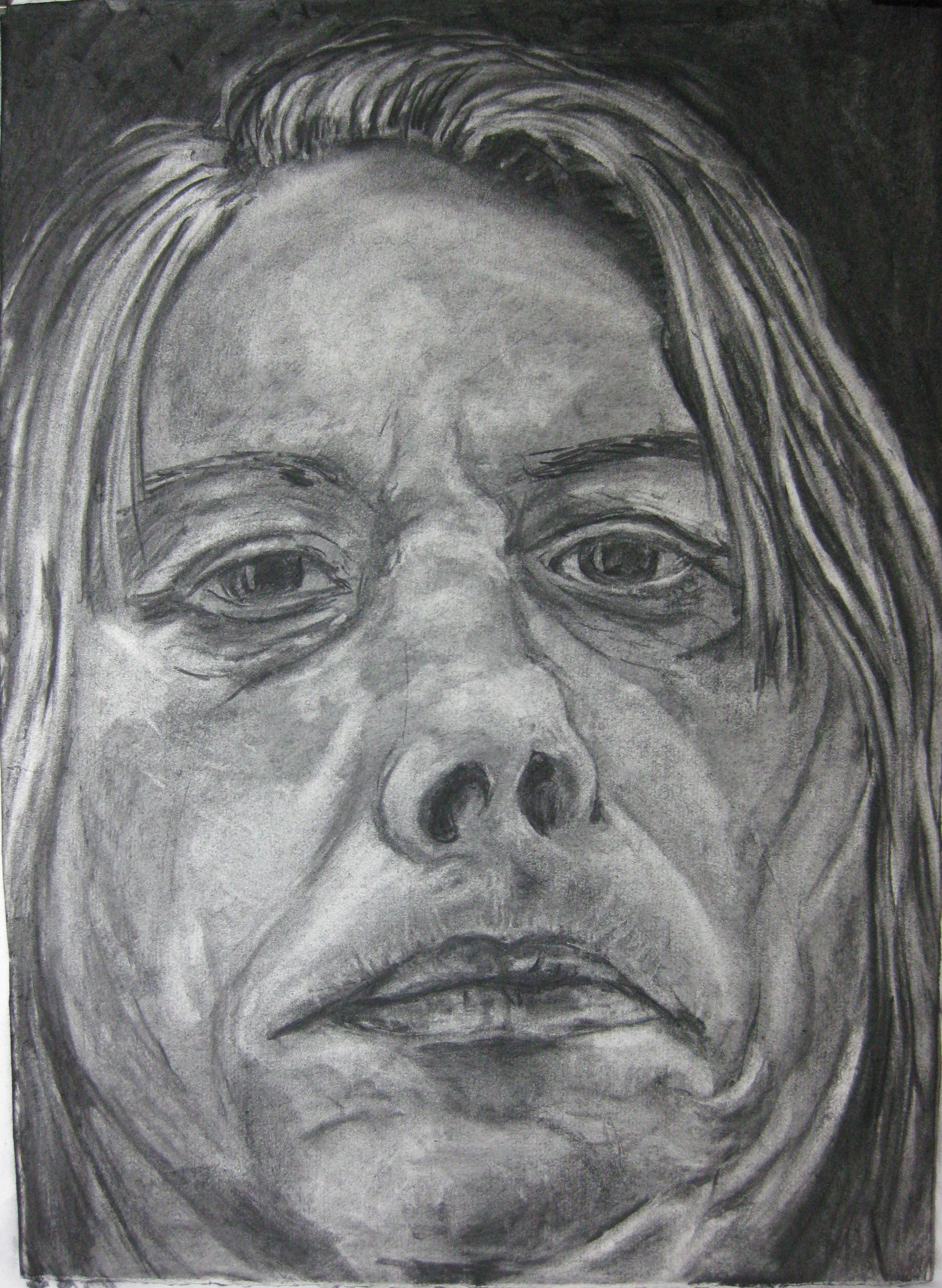
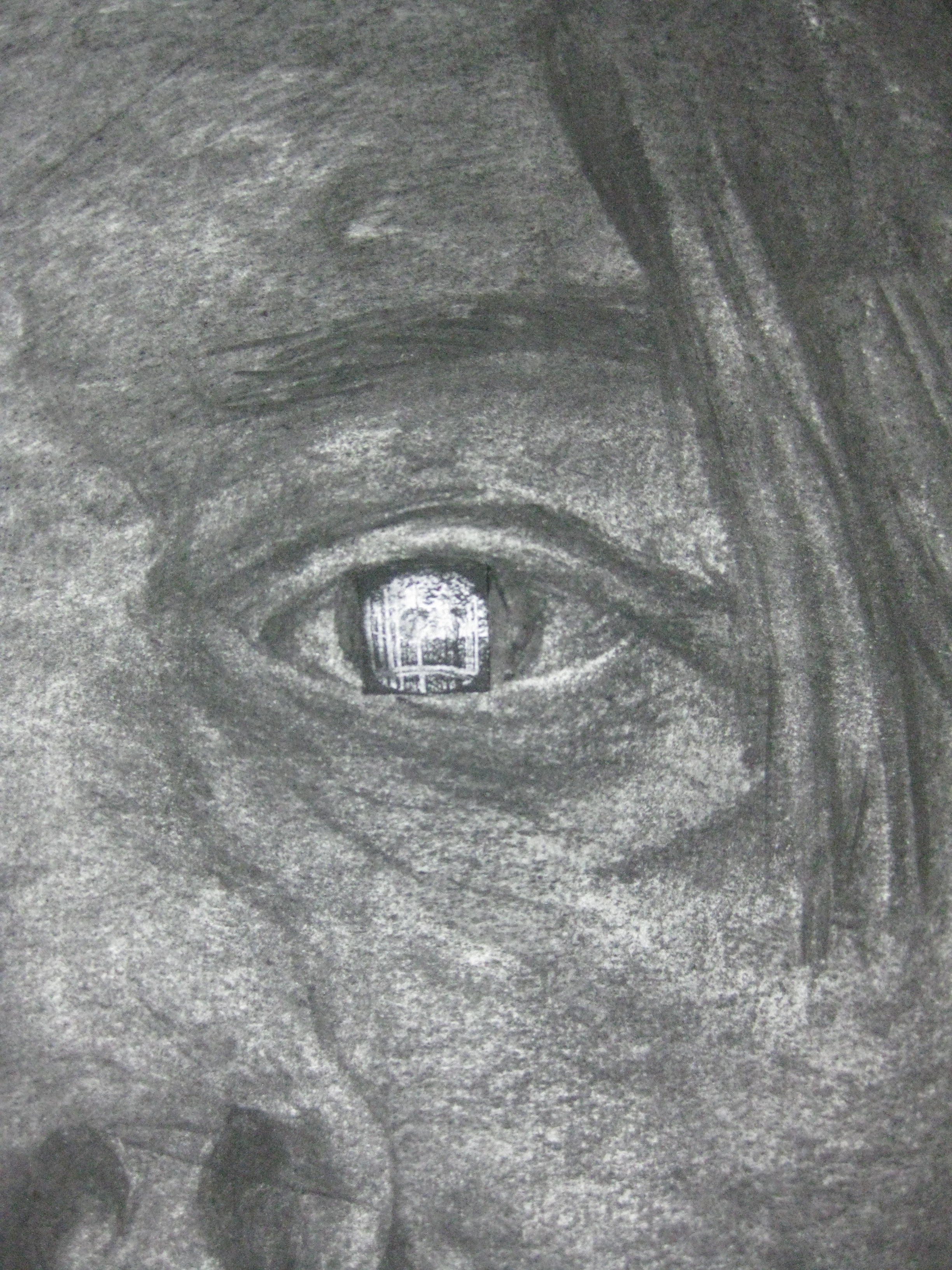
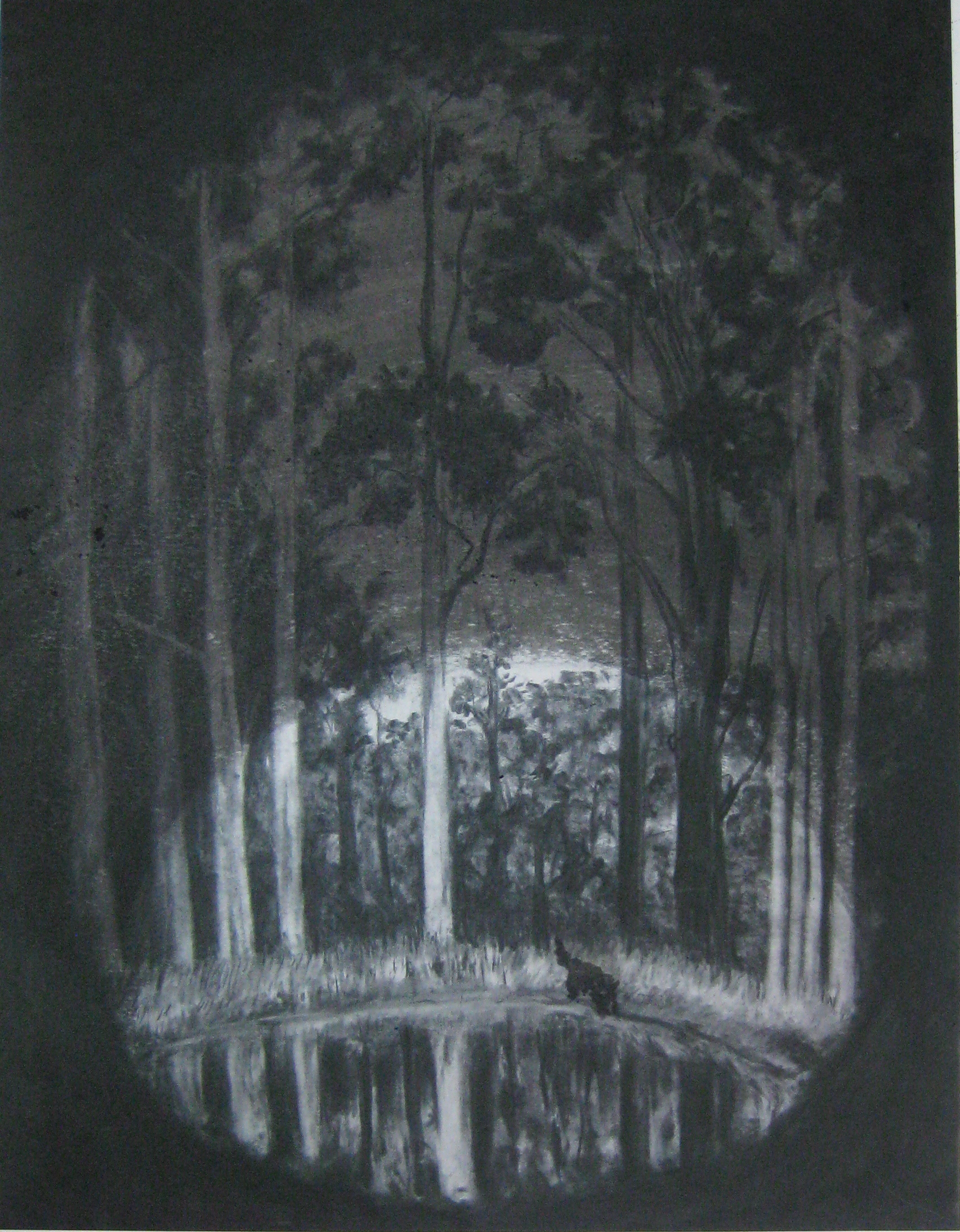
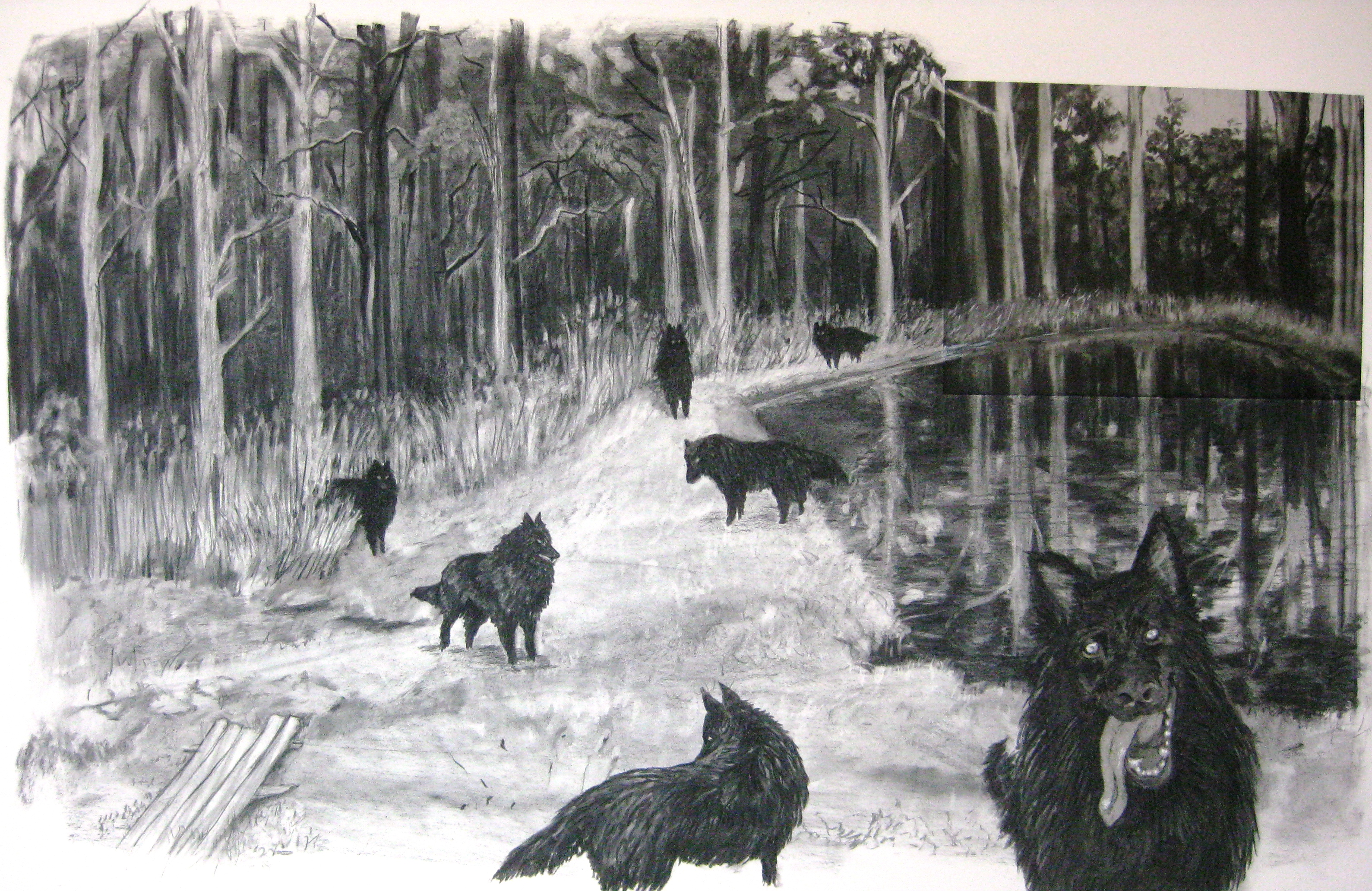
“Blackdog” is based on a real event. A close up look at my reflection reveals the image of the black dog in forest surrounding my home. Symbolically, the black dog is a herald of death. When I first saw a real black dog slinking around near our house my automatic thoughts were of death. When the dog ventured in an introduced himself he turned out to be the most intelligent and delightful visitor you could imagine.
So, are you done with traditional drawing?
No! Drawing on a single surface (like on a single piece of paper) has many advantages that can’t reasonably be done in an animation – unless of course you have a huge team with lots of time and money! Drawers like Gosia Wlodarczak invent ways of drawing that incorporate time into the drawing practice and create totally new visions. No, I see animation as another string to my bow, but one that I am totally committed to for the present.
So then, would you call yourself an animator or a drawer?
Definitely a drawer though animation, editing and sound are exciting fields to explore.
Who are your greatest influences?
I’m actually influenced by everything! Every part of my experience, environment, interactions and things I hear, see and do effects my output. In animation and drawing I love the work of South African artist William Kentridge.
I’ve had some exceptional teachers over the years including Mike Esson, Kevin Connor, Helen Hopcroft, Judith Shead and John Philippides. Most important for this project has been the influence of the students and teachers at COFA online.
OK, thanks, and good luck with the show!
See you there!
Mum
Moth-er
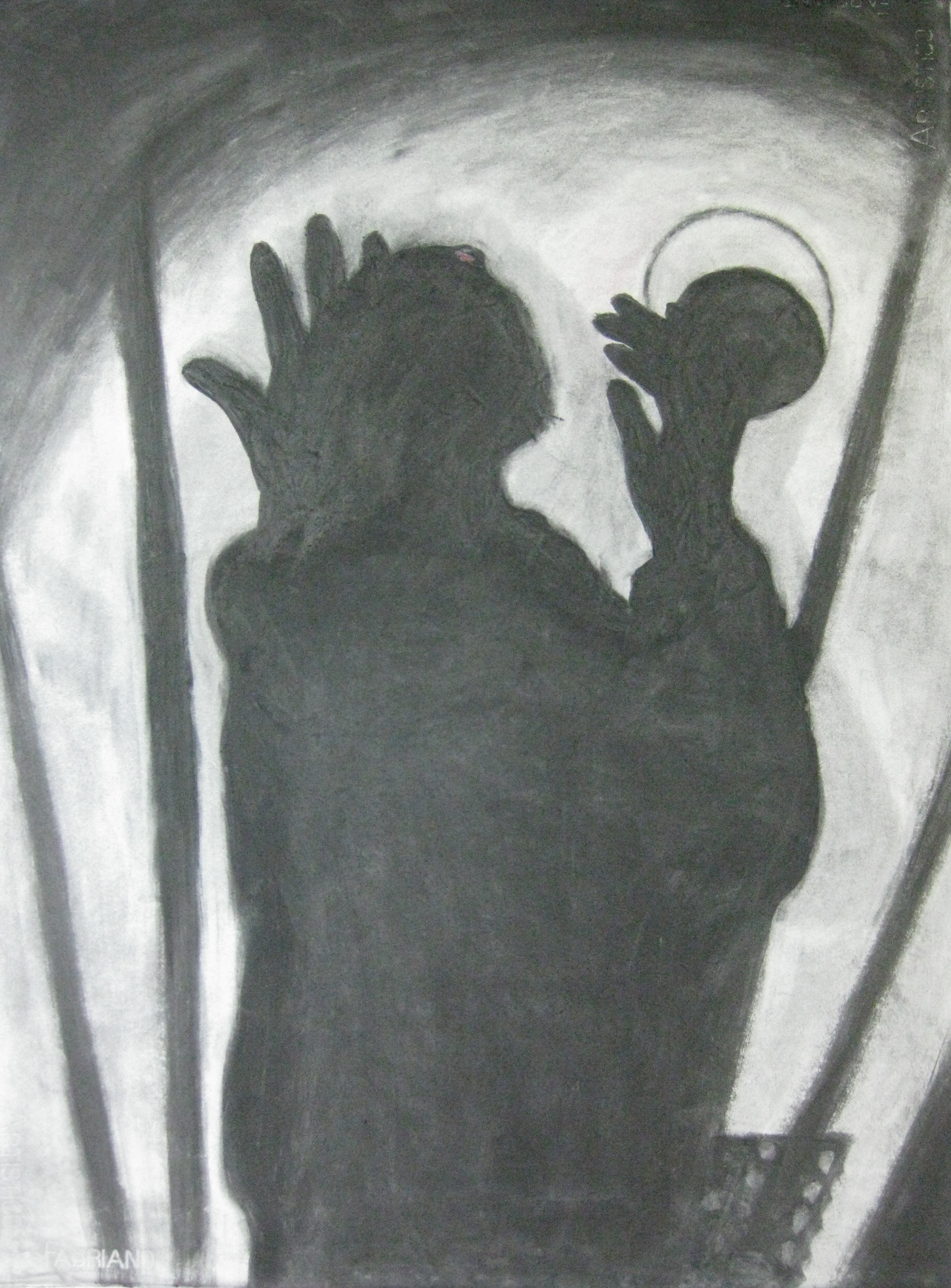
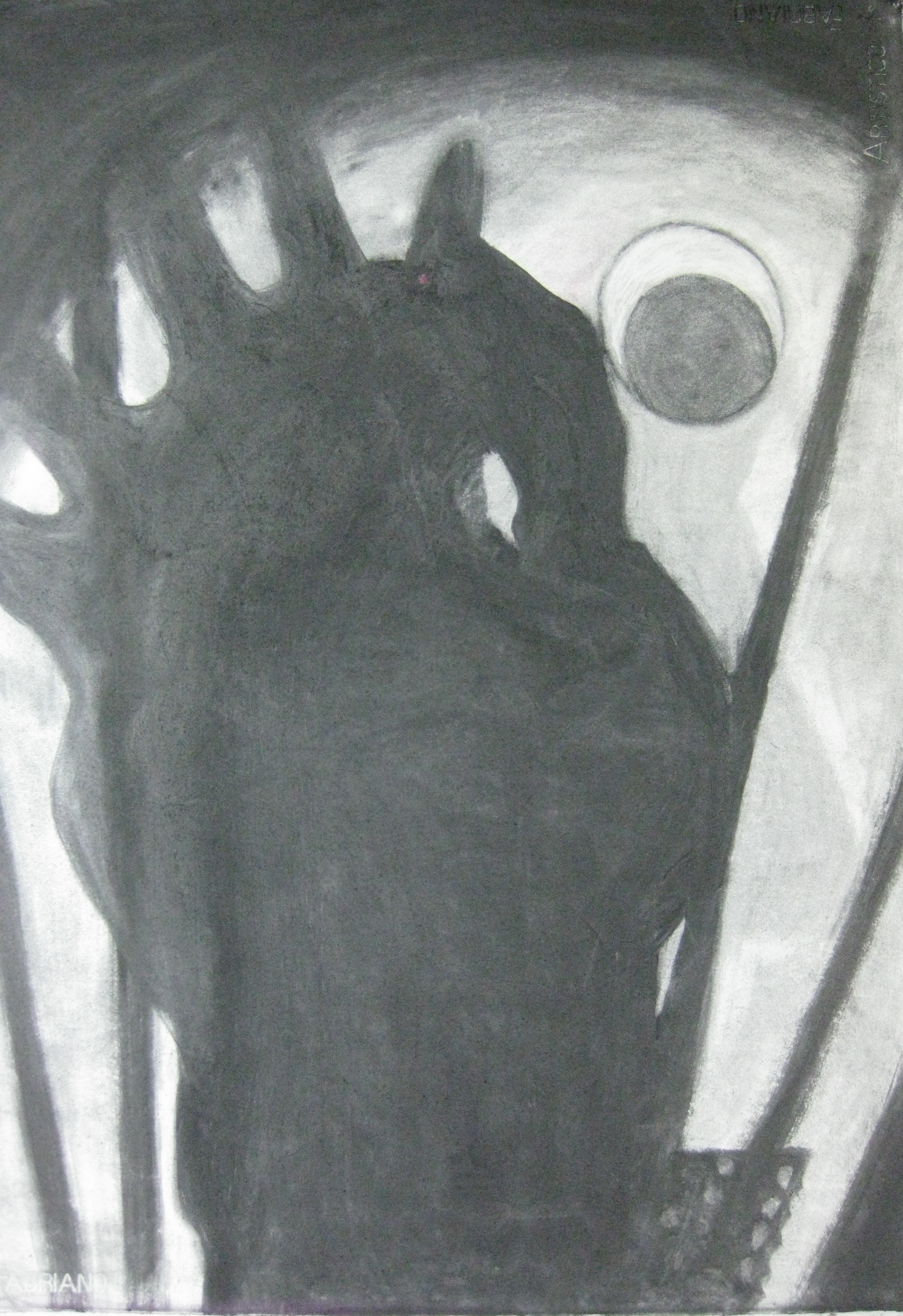
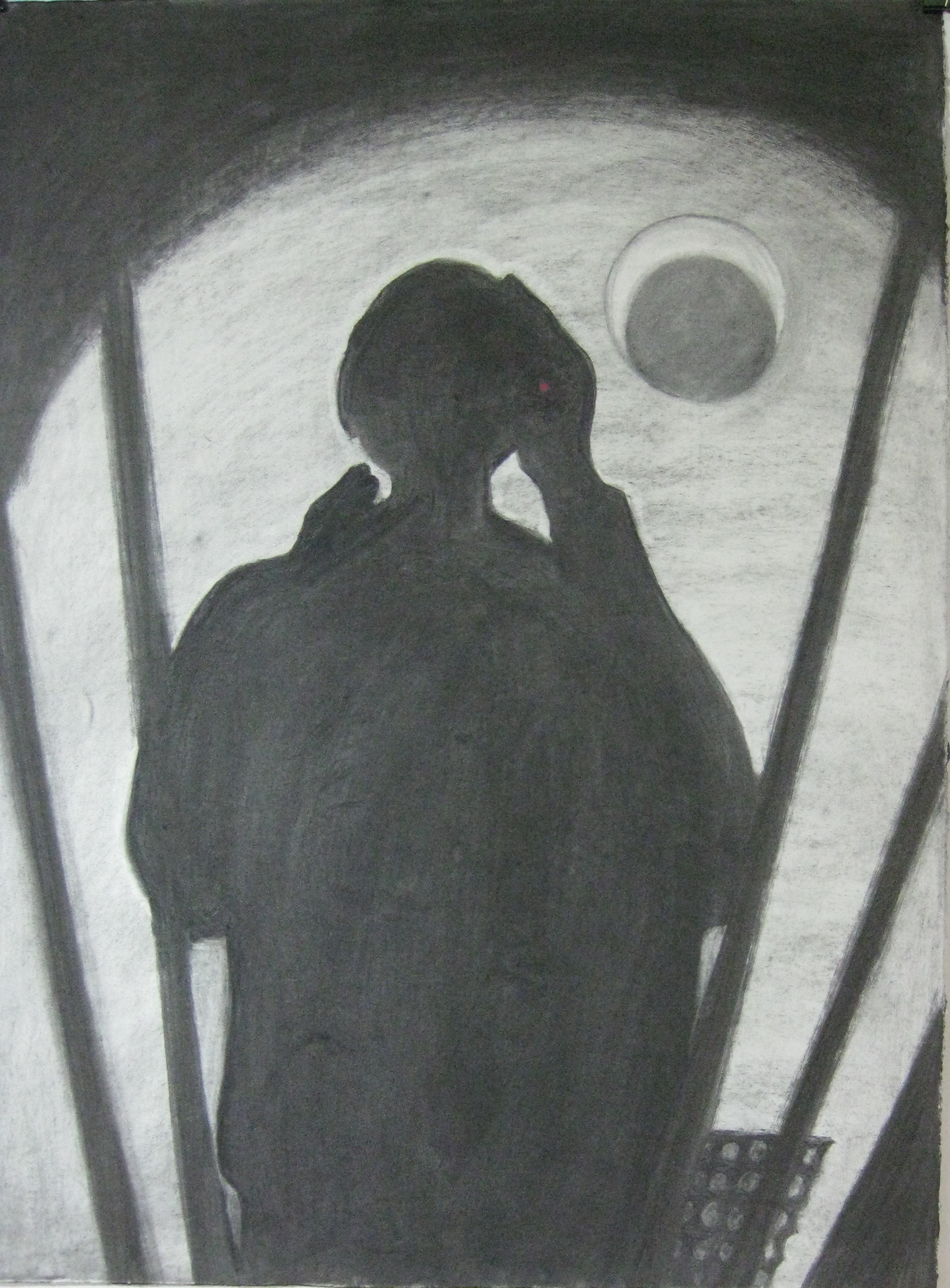
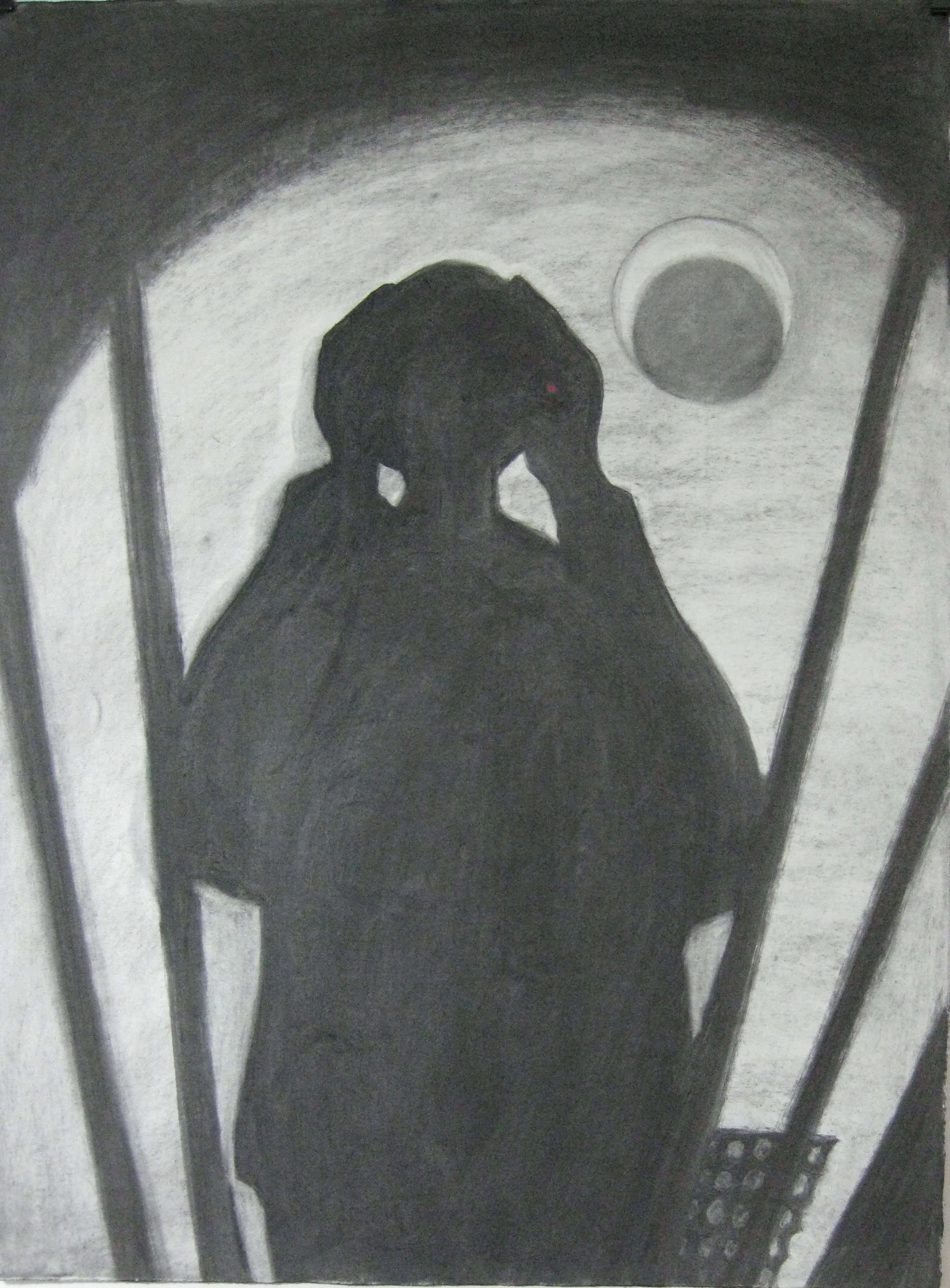
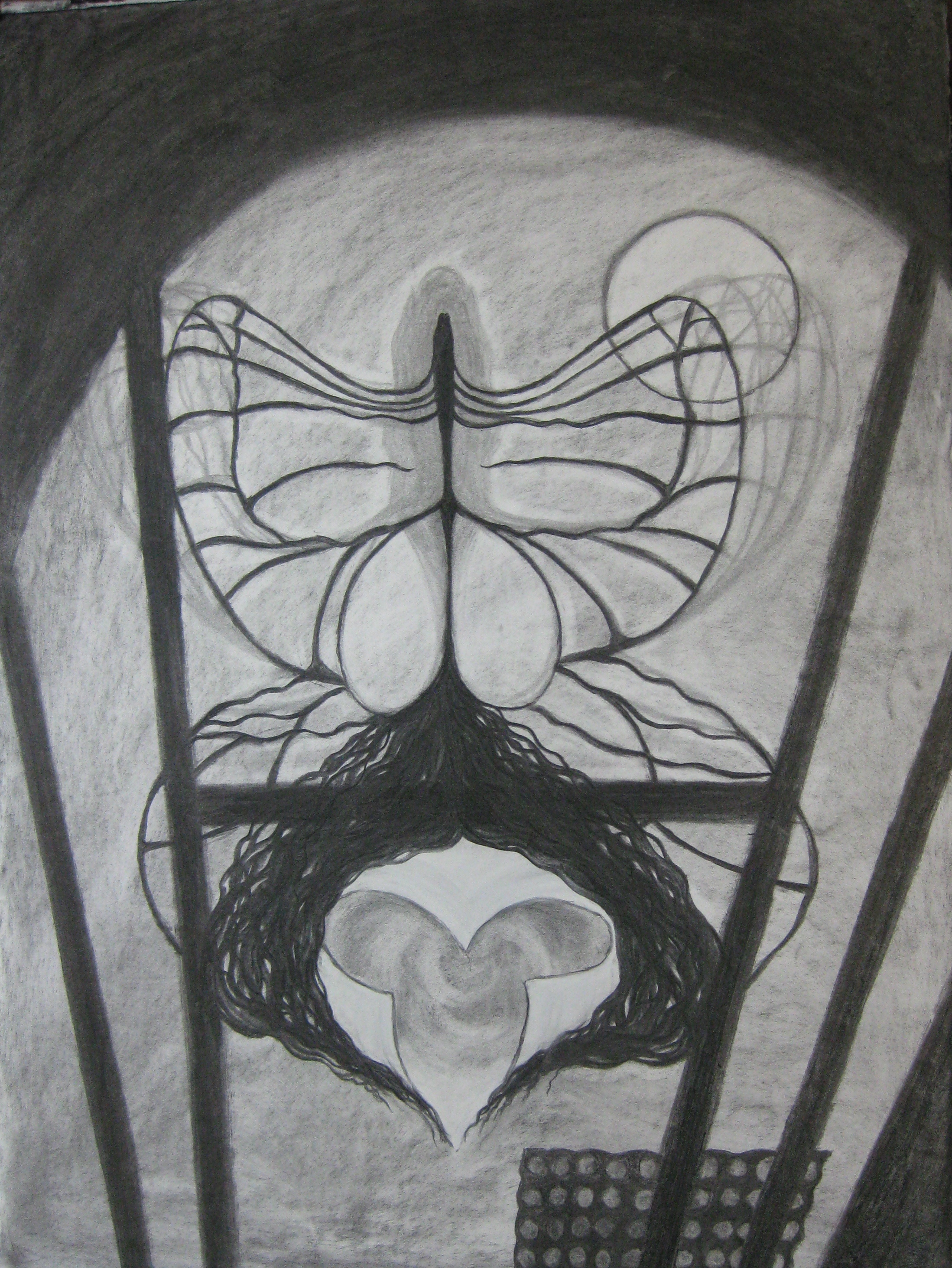
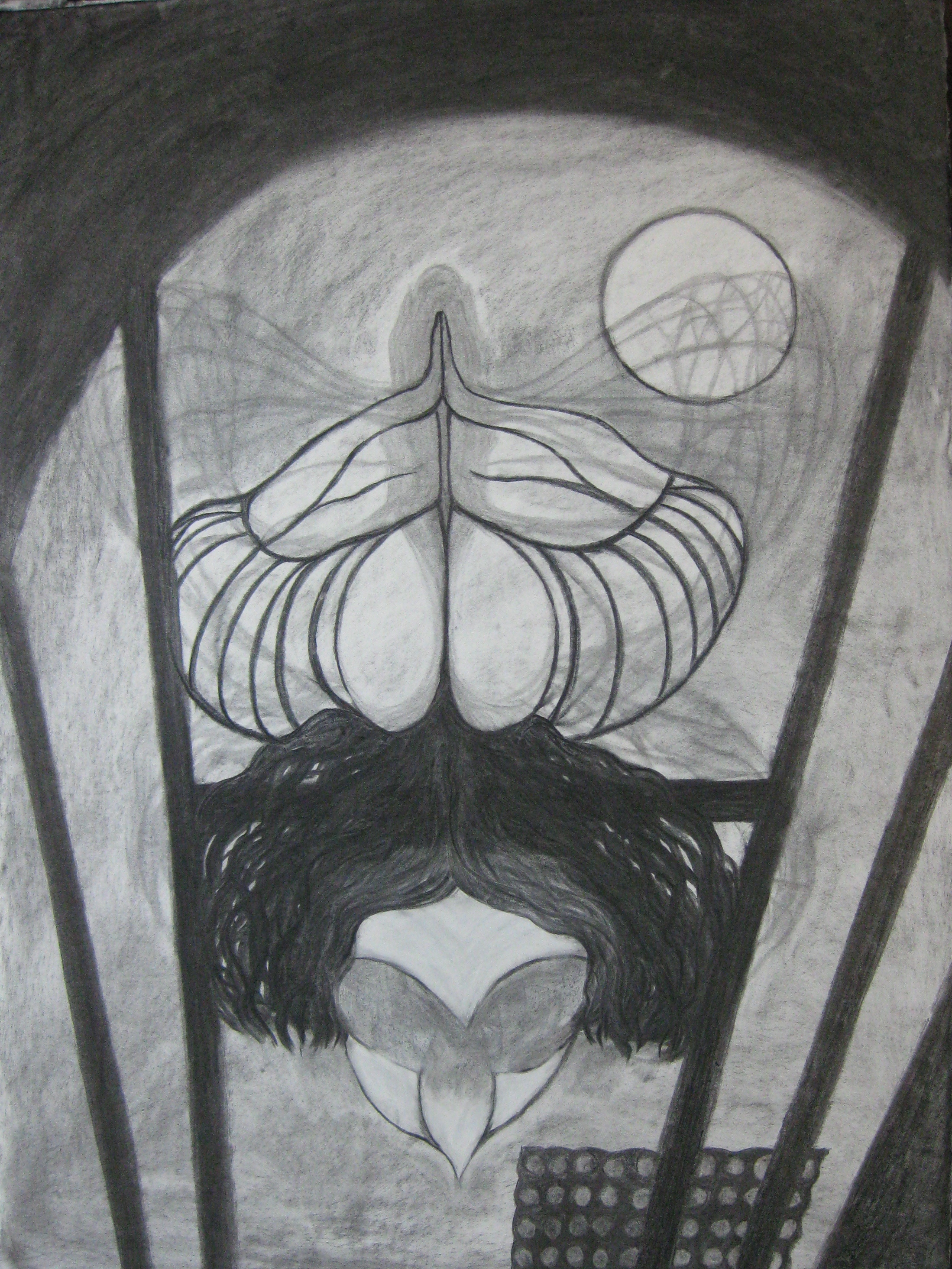
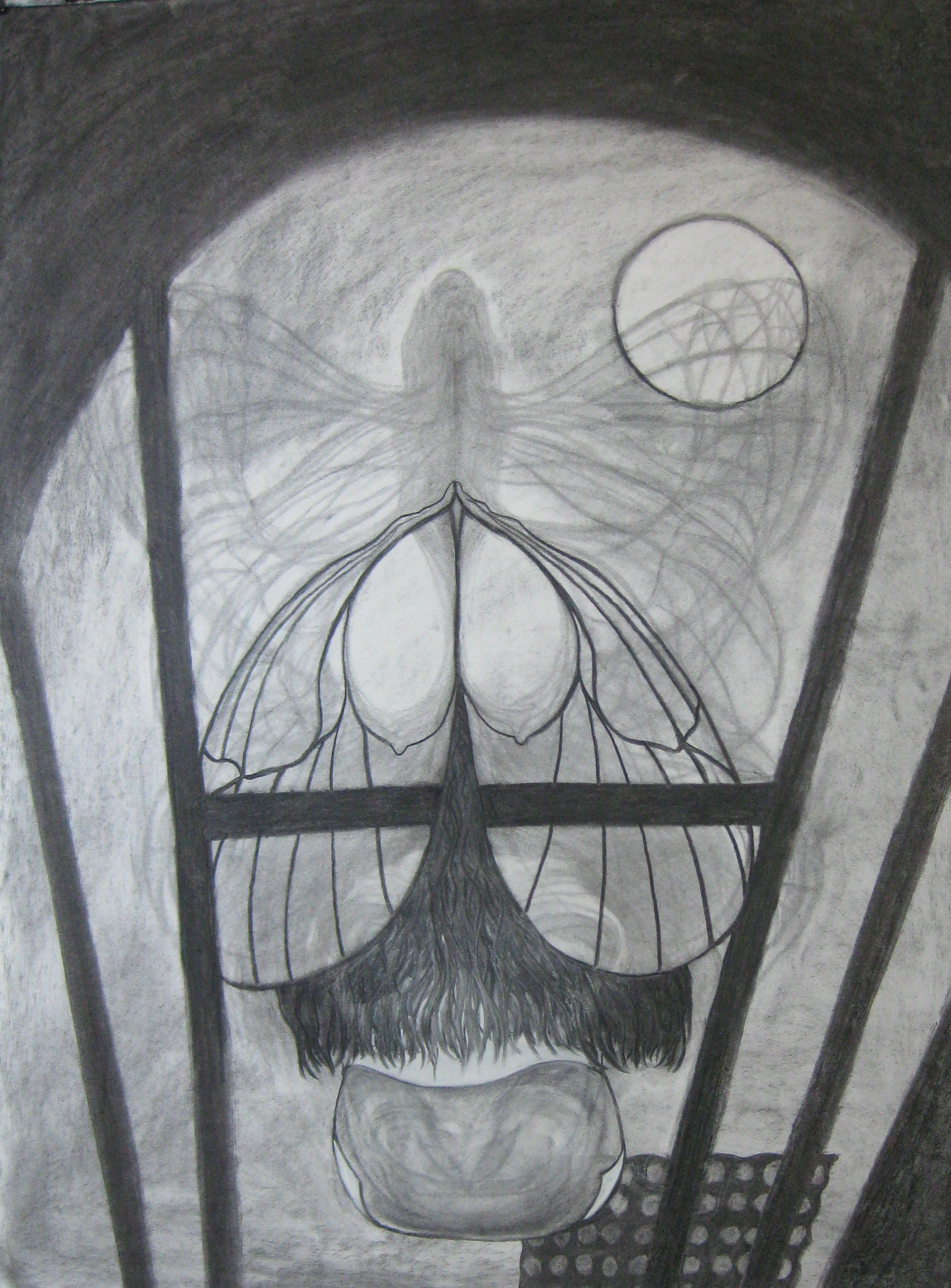
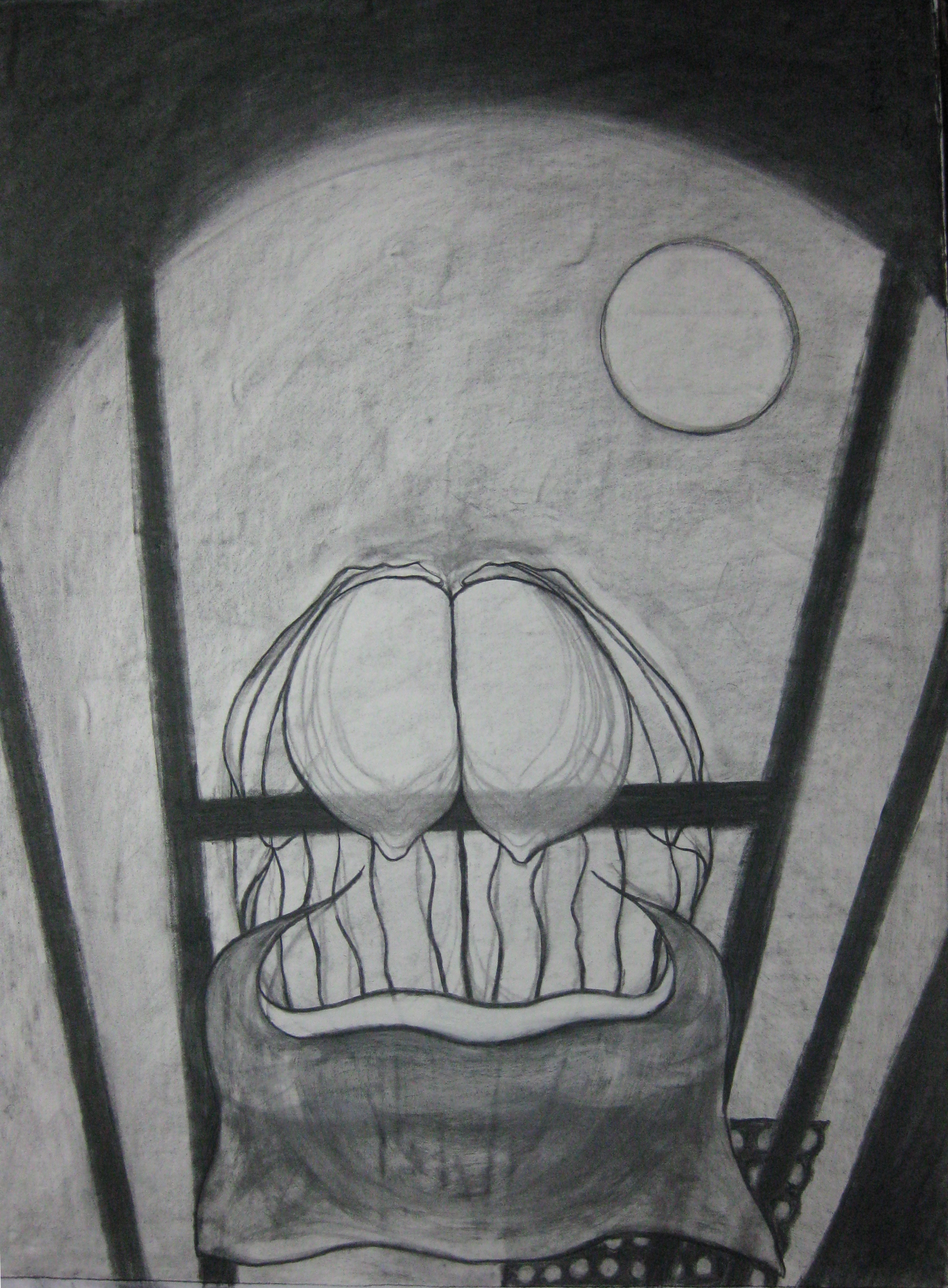
Blackdog
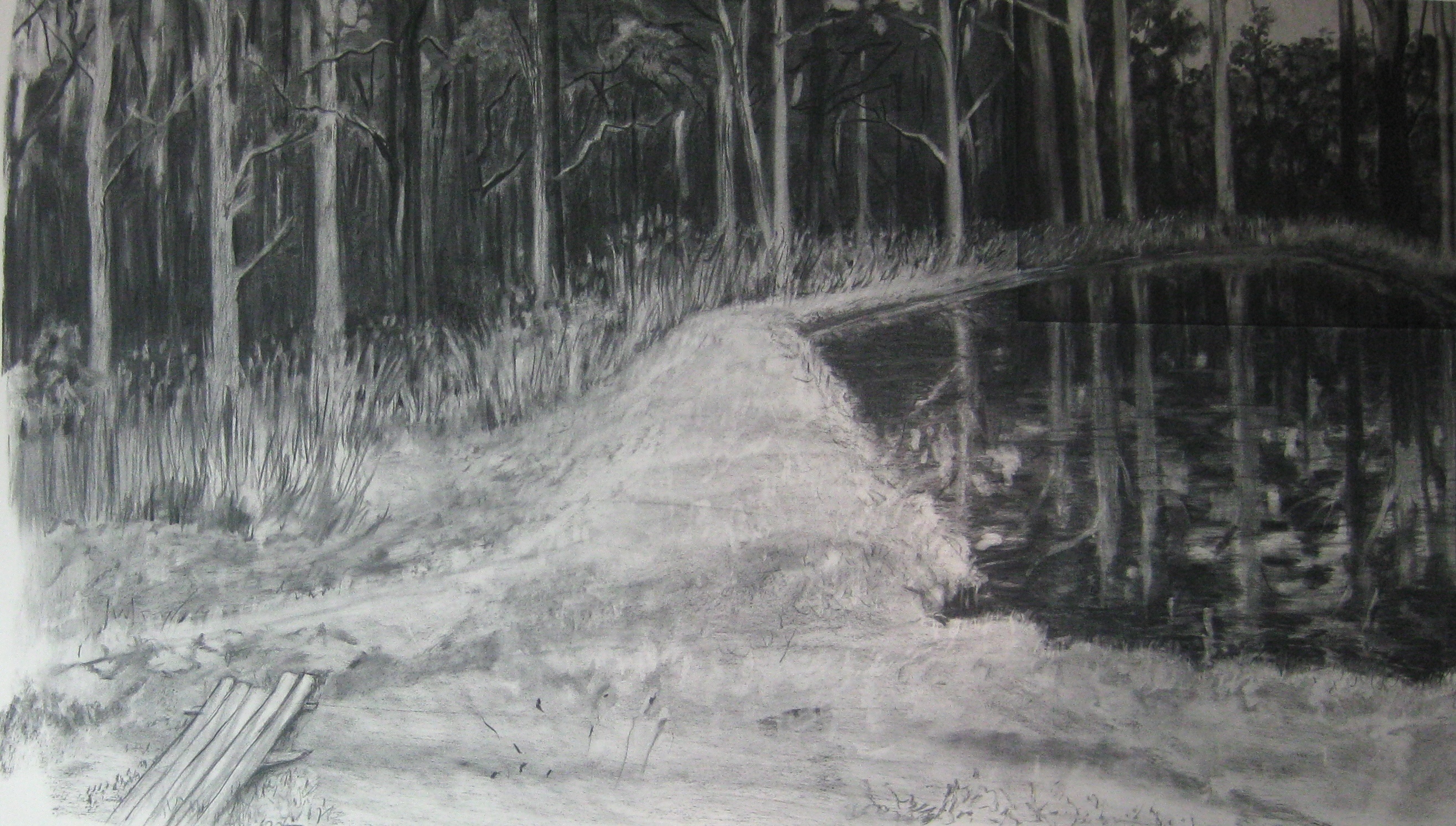
Wheelloop